Community Wildfire Defense: Fuel Breaks
Jump to:
In a federally-funded project, MARS is working to protect rural communities from catastrophic wildfire through strategic fuels reduction.
What is the Community Wildfire Defense Grant Program?
The federal Community Wildfire Defense Grant (CWDG) program, administered by the US Forest Service with funding from the Bipartisan Infrastructure Law, is intended to help local communities and Tribes plan for and reduce wildfire risk. The program was initiated in 2022 and seeks to address the growing threat of wildfires in the US by investing in prevention, mitigation, and response measures at the community level.
MARS and CWDG
MARS was awarded grant funding through the CWDG program in 2023 to help establish a series of “shaded fuel breaks” throughout Klickitat County. We are working with local landowners of all sizes to implement these projects in a way that is beneficial to all.
What is a Shaded Fuel Break?
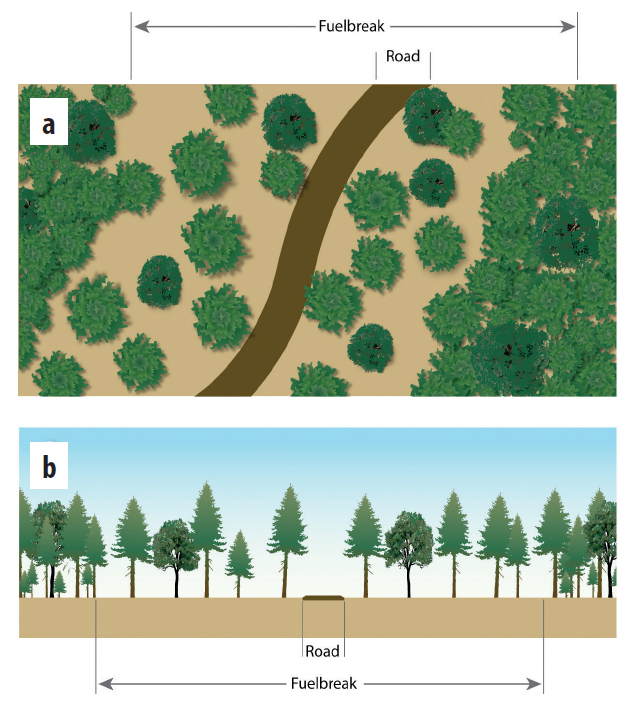
A shaded fuel break is a strategic area where vegetation is intentionally modified or cleared to reduce the risk of wildfire. Typically, this involves removing and thinning out vegetation to reduce overall fuel loading and reducing "ladder" fuels near communities, roads, or infrastructure. This helps to create a barrier that can slow the spread of wildfire and provide a safer environment for firefighting efforts by changing fire behavior and maintaining corridors of ingress and egress.
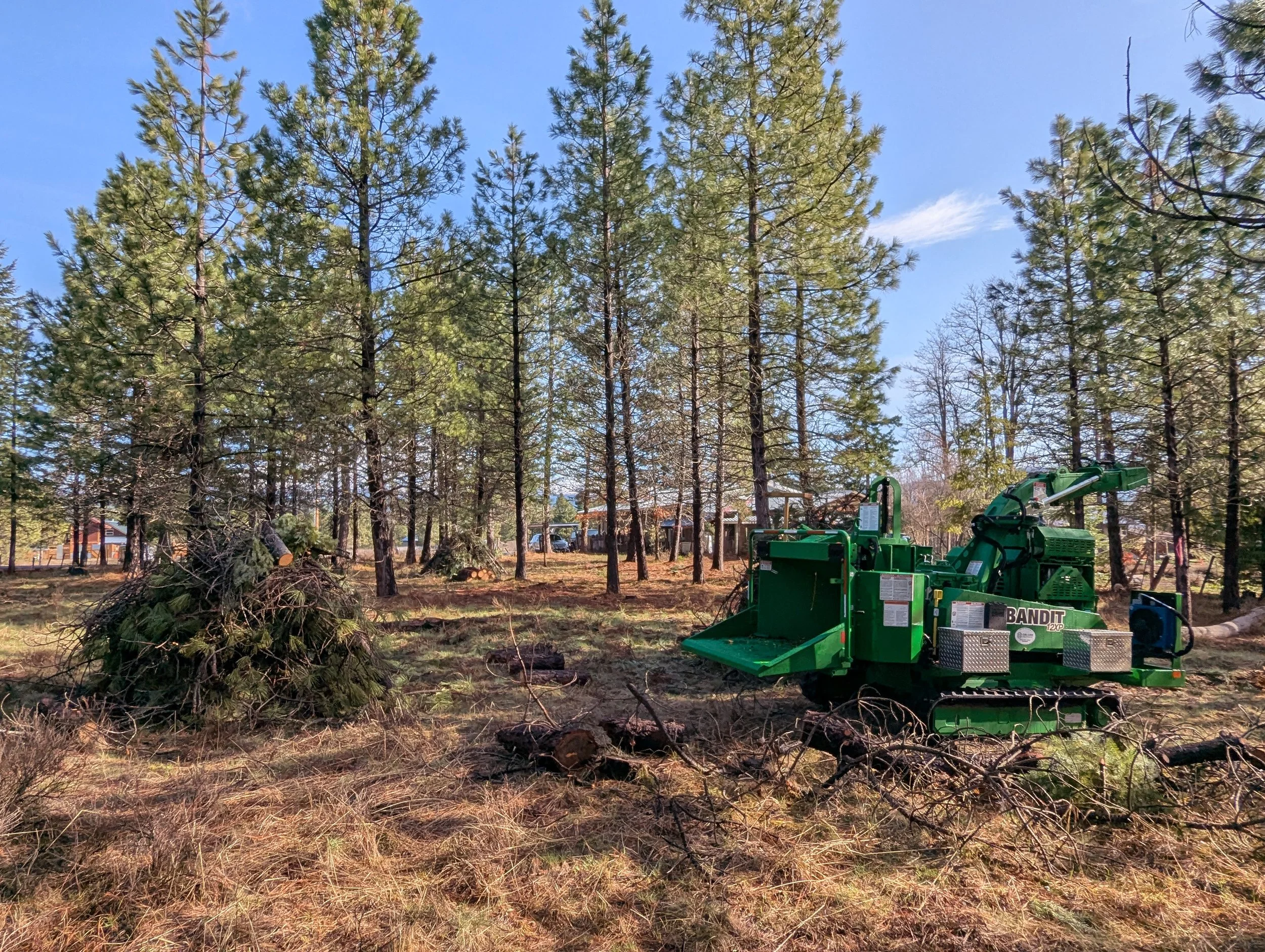
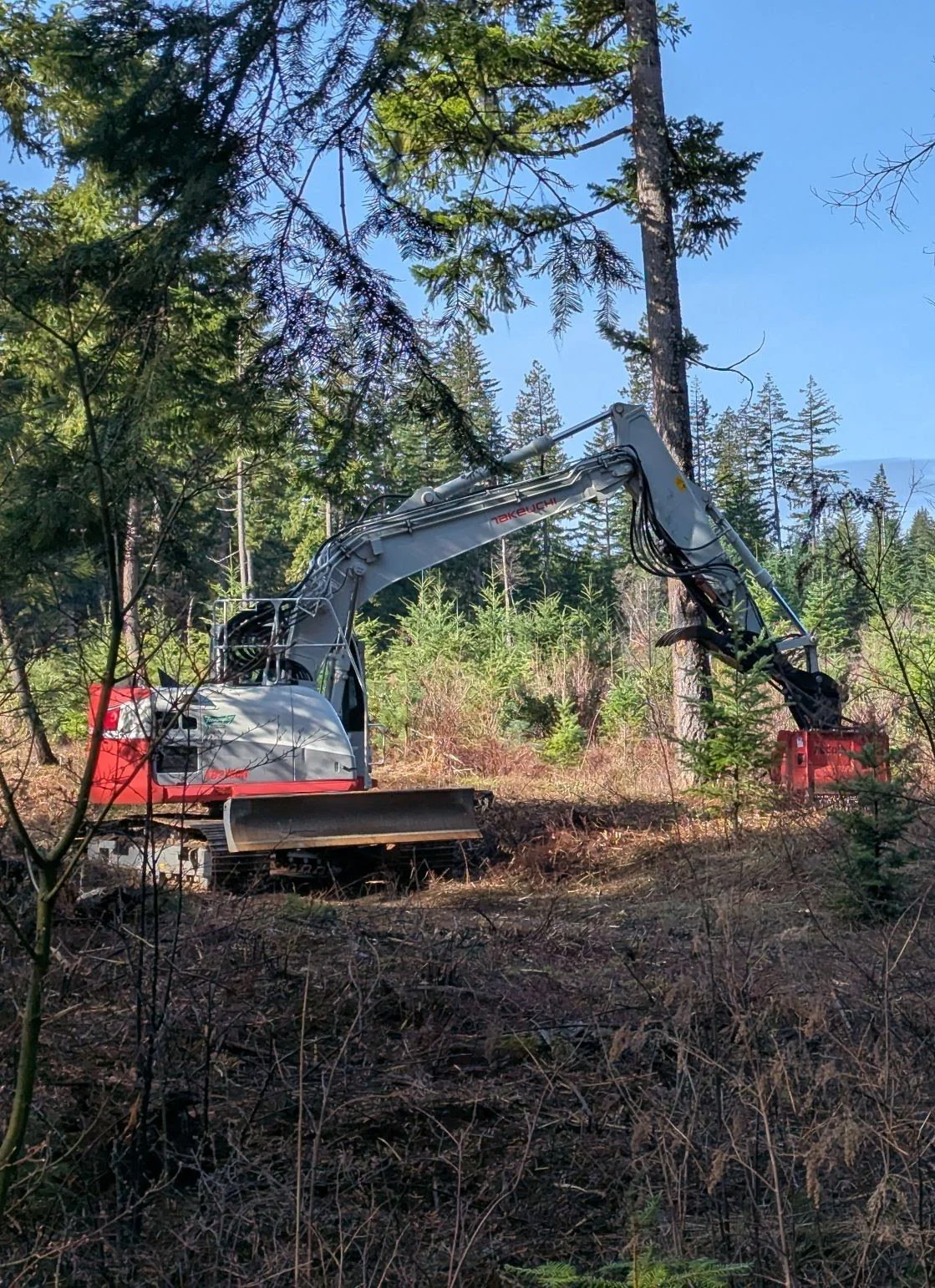
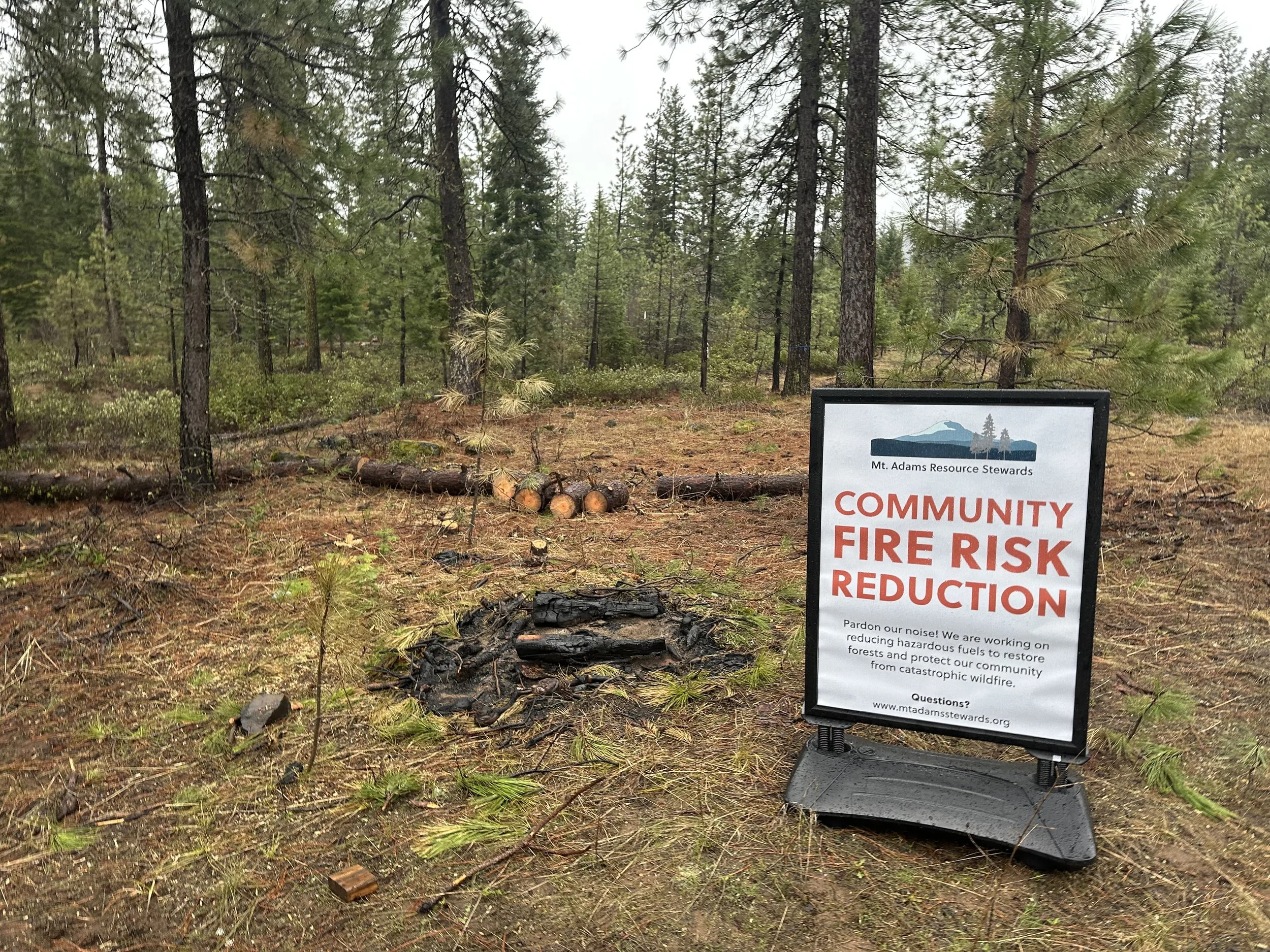
Fuels reduction can take the form of hand piling material and burning later, chipping, mastication with heavy machinery, or prescribed fire. These fuel breaks are often designed to maintain a balance between reducing fire risk and preserving the ecological integrity of the landscape.
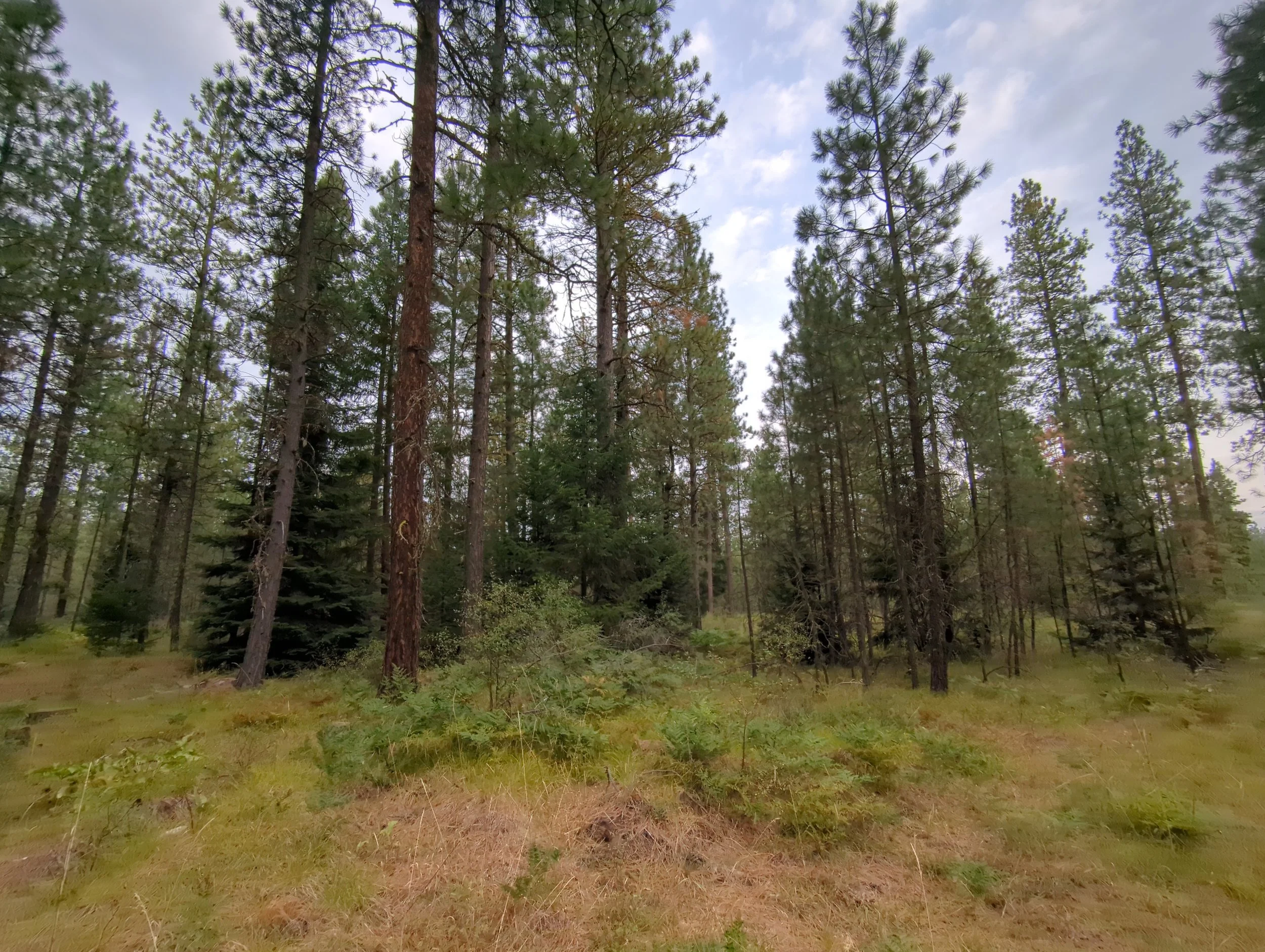
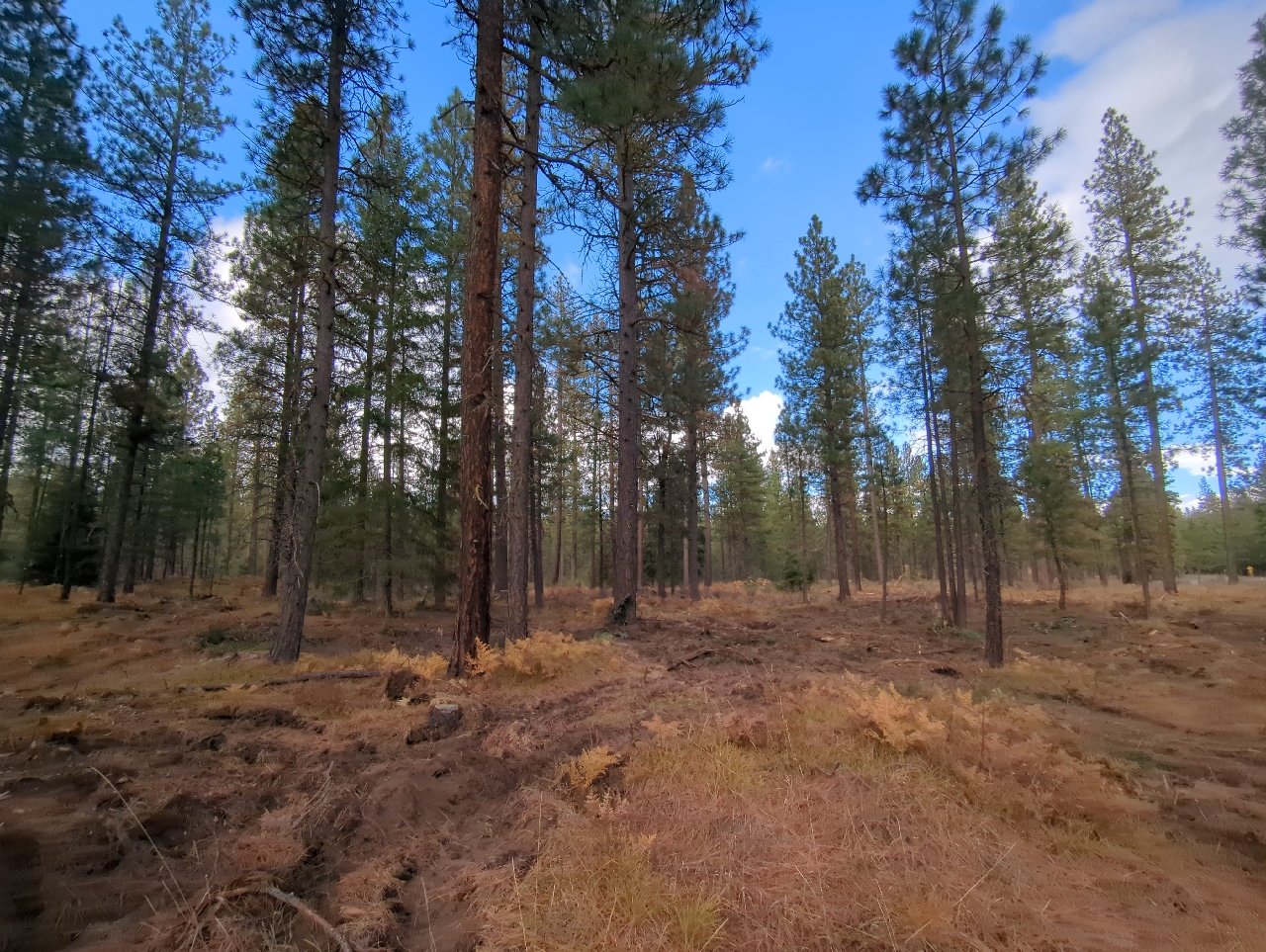
Before and after mastication work along the Trout Lake Highway.
Where and Why?
Project locations were chosen based on priorities listed in the Klickitat County Community Wildfire Protection Plan (CWPP) and were informed by community meetings among local land managers and officials. These project areas have prioritized based on their feasibility and their potential to meaningfully reducing wildfire risk for nearby residents and structures.
The map to the right shows potential, proposed fuel break project locations as well as completed projects.
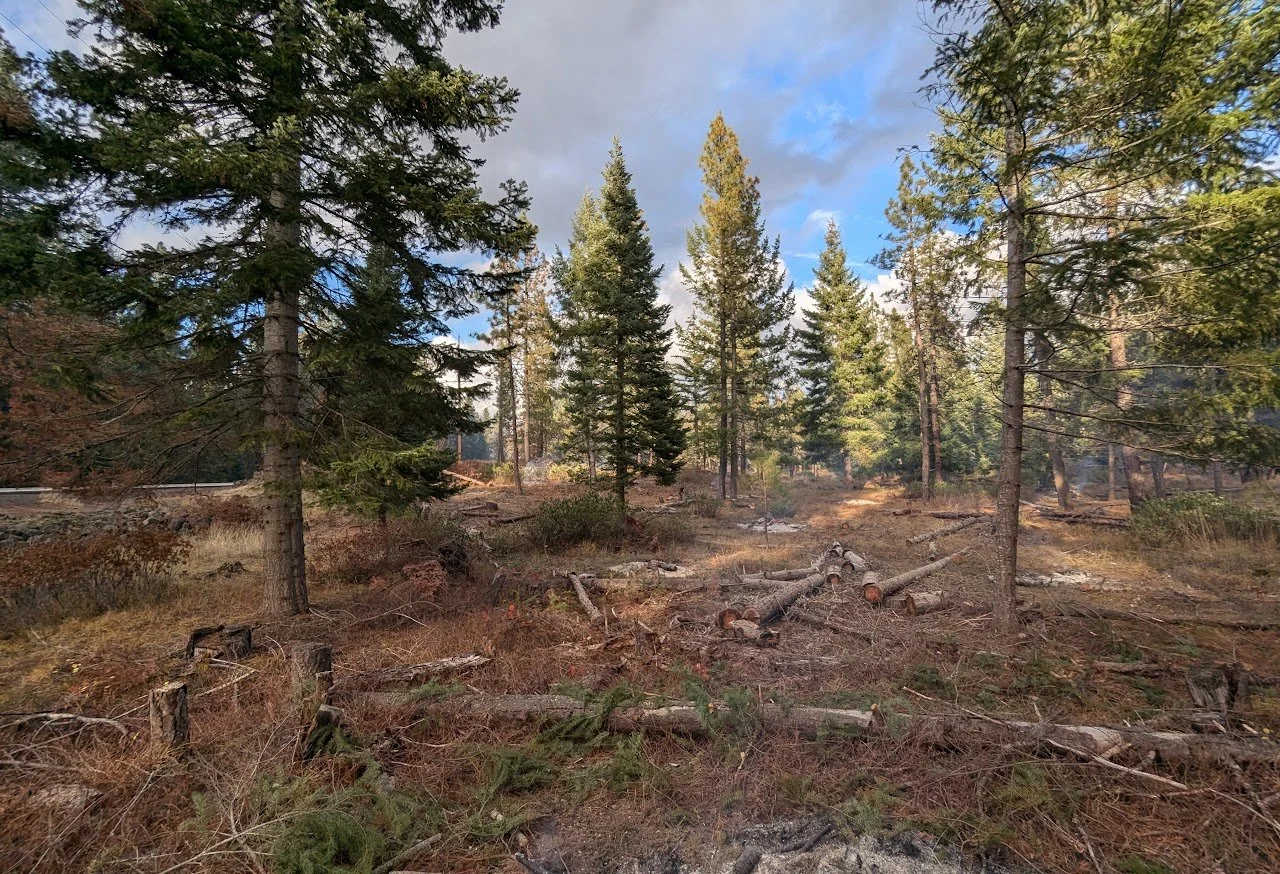
Fuel break on private property along Hwy 141, completed in 2025.
Completed Projects
-
![]()
Bear Creek (Fall 2025)
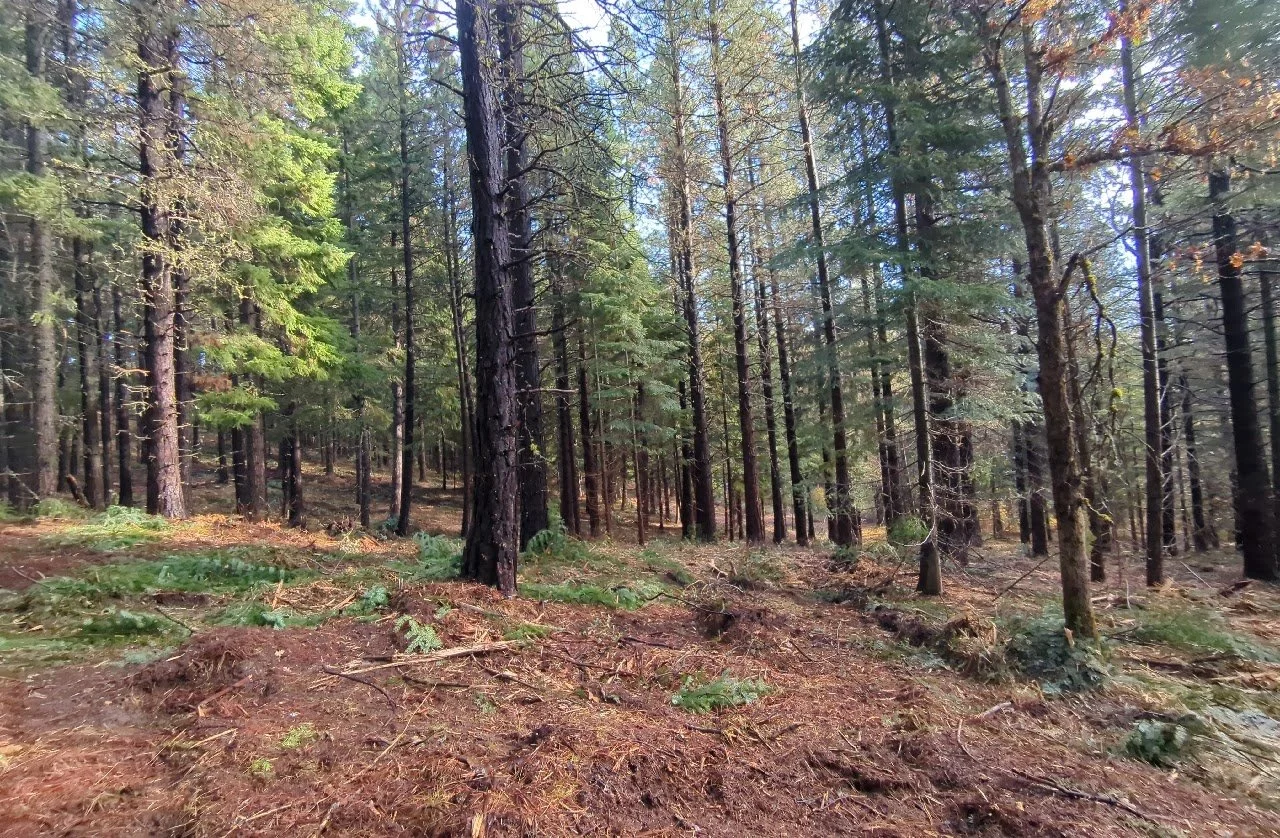
This fuels reduction project was completed on private land near Trout Lake. The overall goal was to provide an area of lower risk near town that can serve as an anchor point for firefighting activities.
Overstory trees were thinned to improve canopy spacing and reduce the ability of a crown fire to spread. At the same time, select smaller trees and brush were removed where they posed a risk to act as ladder fuels, helping to prevent the movement of ground fire into the canopy.
Cut material was either piled and burned, masticated, or chipped, depending on what was appropriate for the location and landowner preference.
-
![]()
Glenwood Highway (Spring 2025)
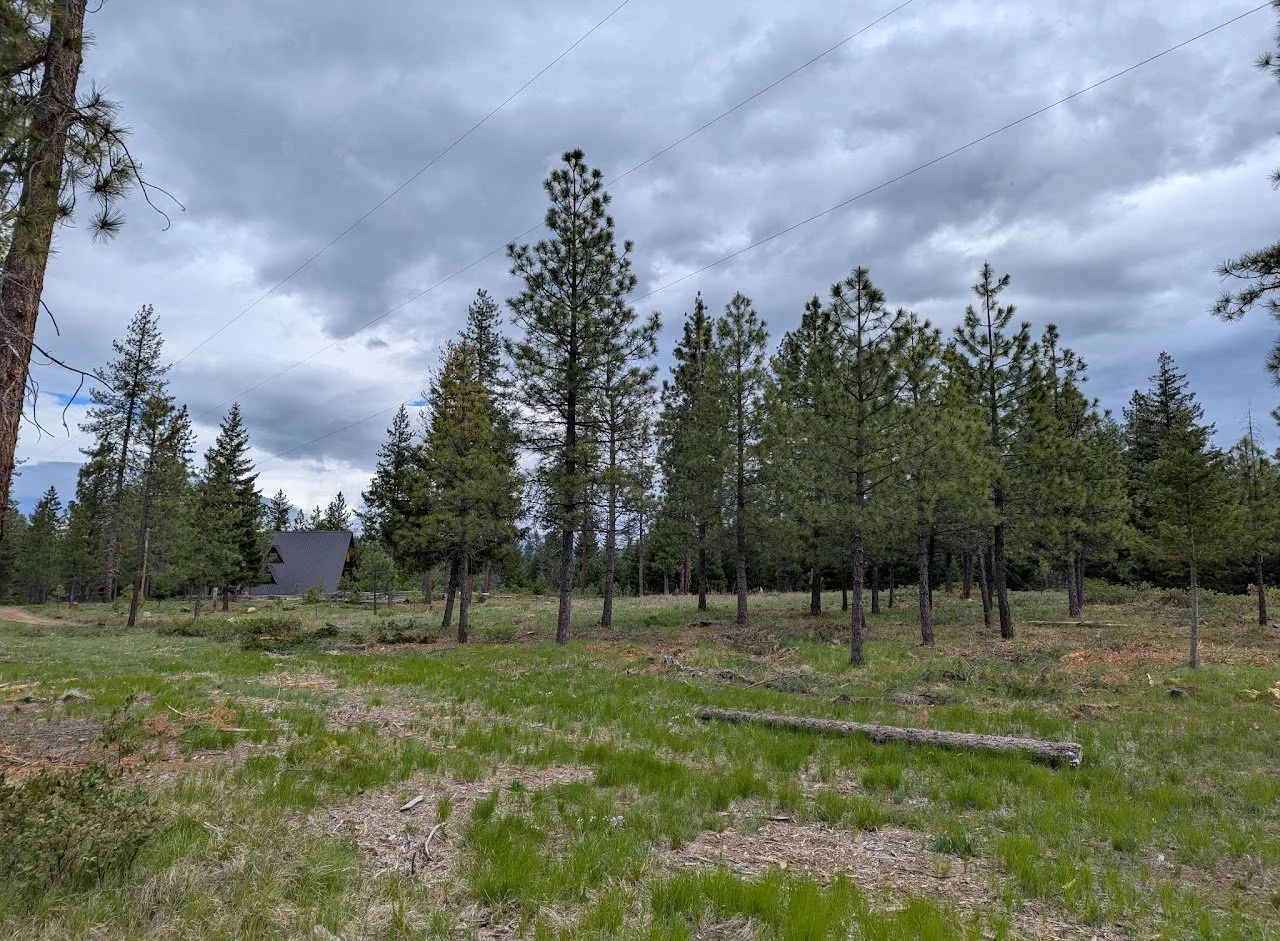
This fuel break was put in place on the east side of Glenwood. The project area is located in the footprint of a past logging project and has been primarily focused on cleaning up slash and remaining ladder fuels. Masticators were utilized to complete this project, and operations were completed in late April of 2025.
-
![]()
Cheese Cave Rd (Spring 2025)
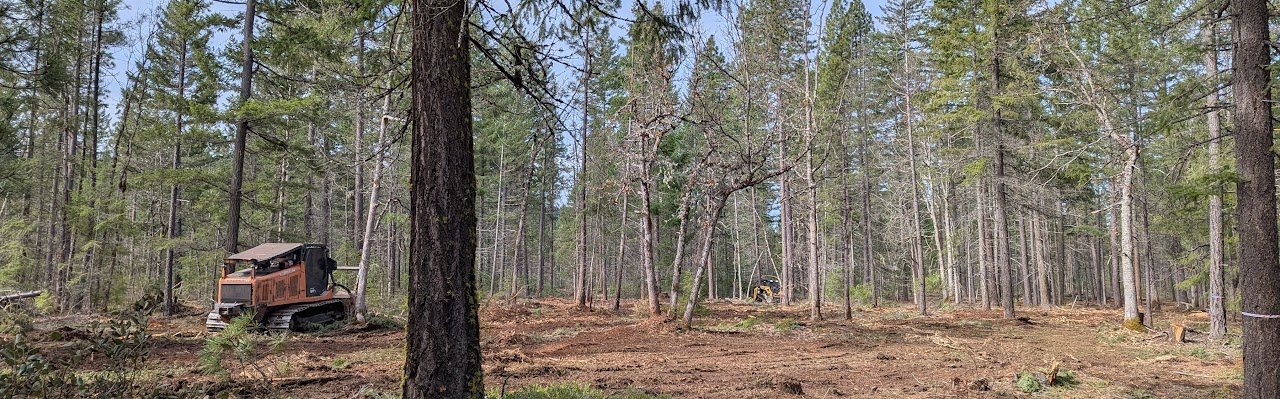
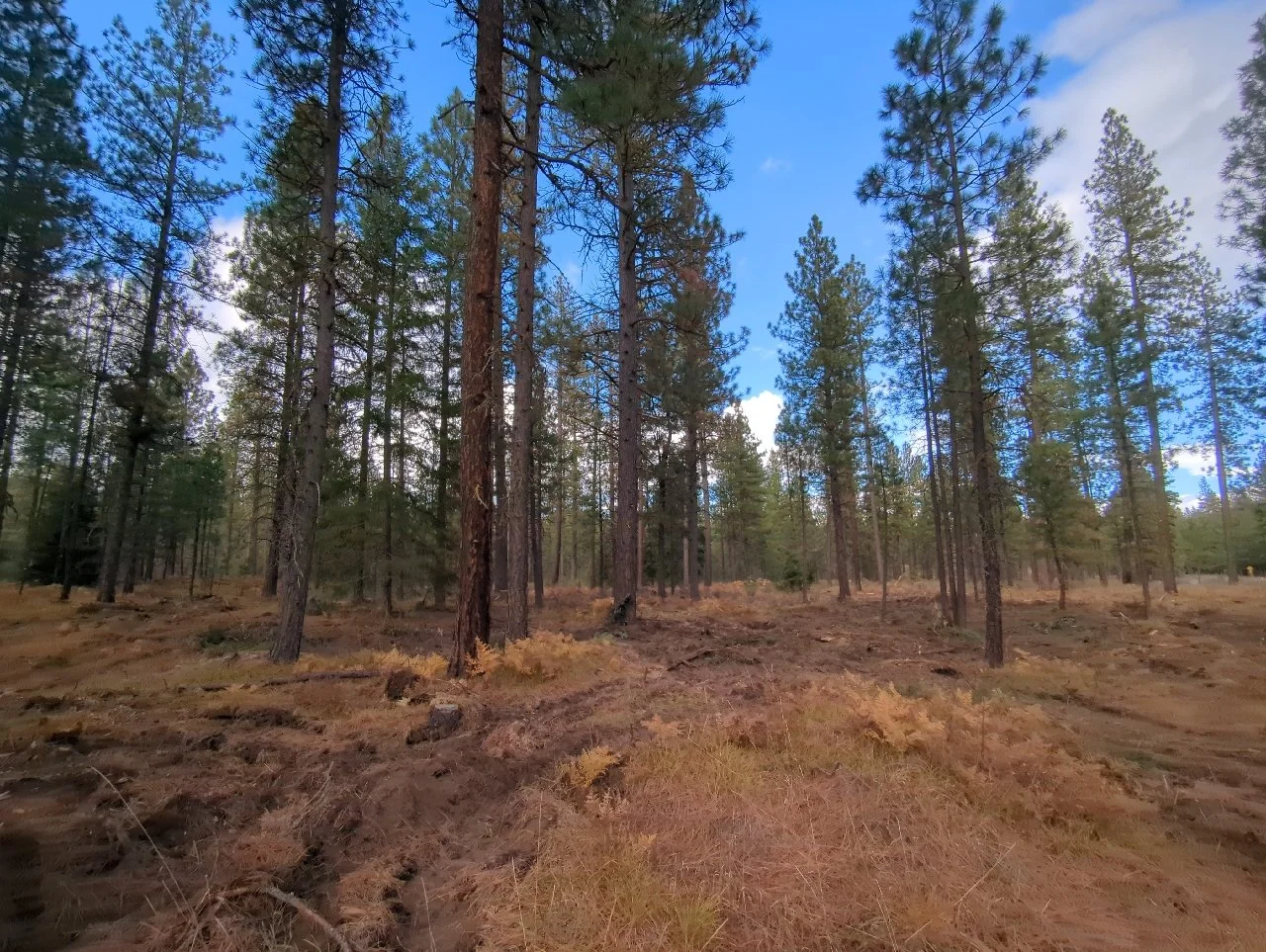
This 73 acre fuel break was completed in May of 2025. The fuel break is located to the west of Trout Lake on private property. The fuel break runs north-south between Highway 141 and Jennings Rd. The primary treatment for the project was mastication, with some hand limbing and piling throughout. This project ties into the Bear Creek fuel break and will supplement our NF-86 & Highway 141 (TCT) projects, both in progress to the west.
-
![]()
Trout Lake Highway (Fall 2024)
This 41 acre shaded fuel break parallels the Trout Lake Highway to the west of Glenwood. We were able to work in conjunction with a local contractor to complete the project in the fall of 2024. The prescription focused on removing small trees and shrubs in the drip-lines of overstory trees and in pockets high density. This allowed us to reduce the continuity of fuels in the project area while still retaining a healthy overstory.
-
![]()
Draper Springs (Fall 2024)
This 41 acre shaded fuel break was started in the fall of 2024. The mastication portion of this project was carried out by a local contractor with the goal of reducing fuels around the historic Camp Draper property, as well as expanding a fuel break on the north end of the property. The Mt. Adams Resource Stewards stewardship crew is planning to build upon the mastication this spring and hand thin some areas around the "Draper Spring" proper.
This project helps to reduce the overall fuel load near the community of Glenwood.
Additional Media
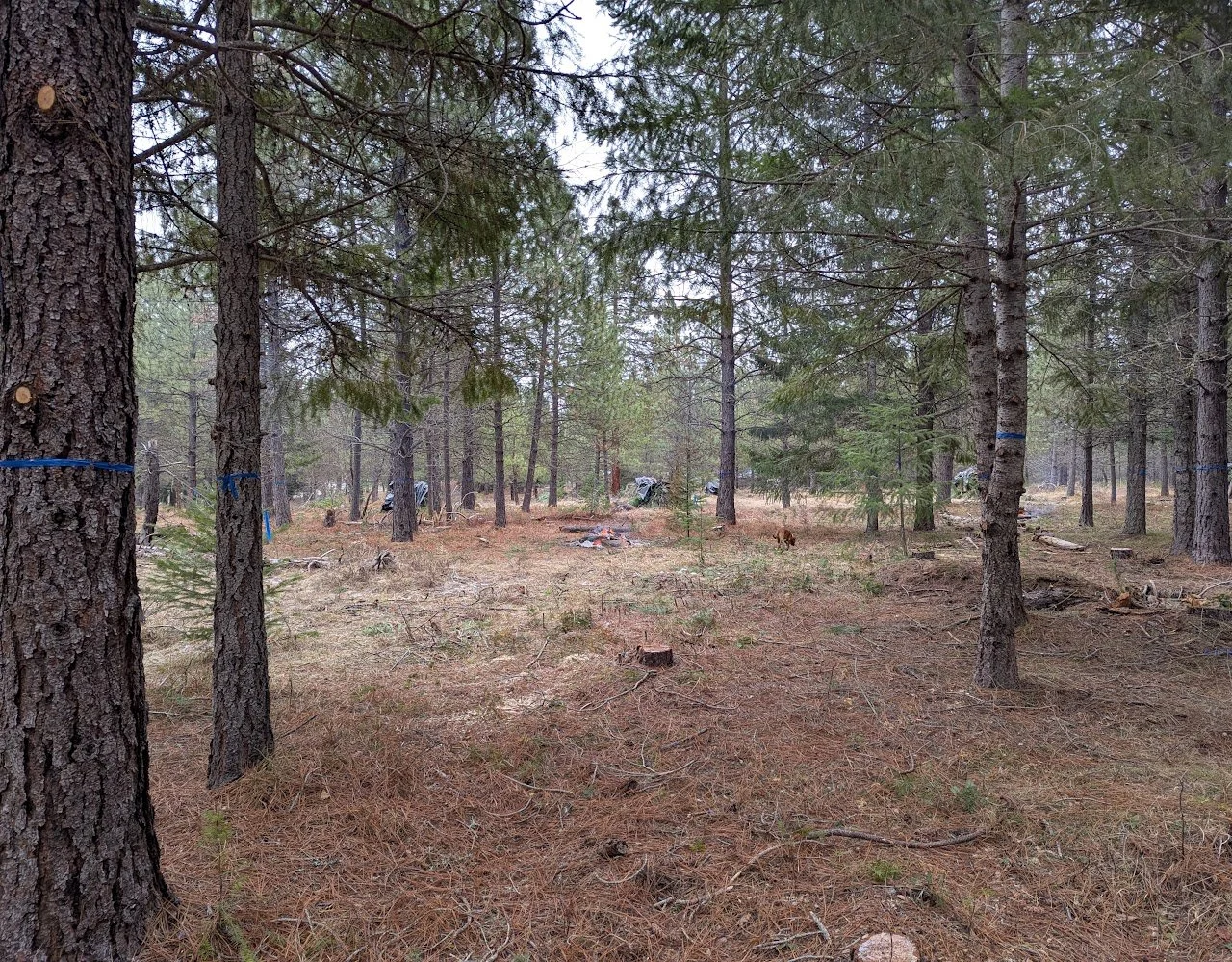
Masticator at work on Cheese Cave Rd Fuel Break in Trout Lake
More Information
MARS staff contact:
Dalton Hedin, Fuels Project Manager
dalton@mtadamsstewards.org
This project was supported by Grant No. 24-DG-11062752-046 awarded by USDA Forest Service. Points of view in this document are those of the author and do not necessarily represent the official position or policies of the USDA Forest Service. Grant funds are administered by the Wildfire Management Division, Washington State Department of WA DNR.