From black to green: Monitoring MARS’ prescribed burn units
By: Emery Cowan, Prescribed Fire Coordinator
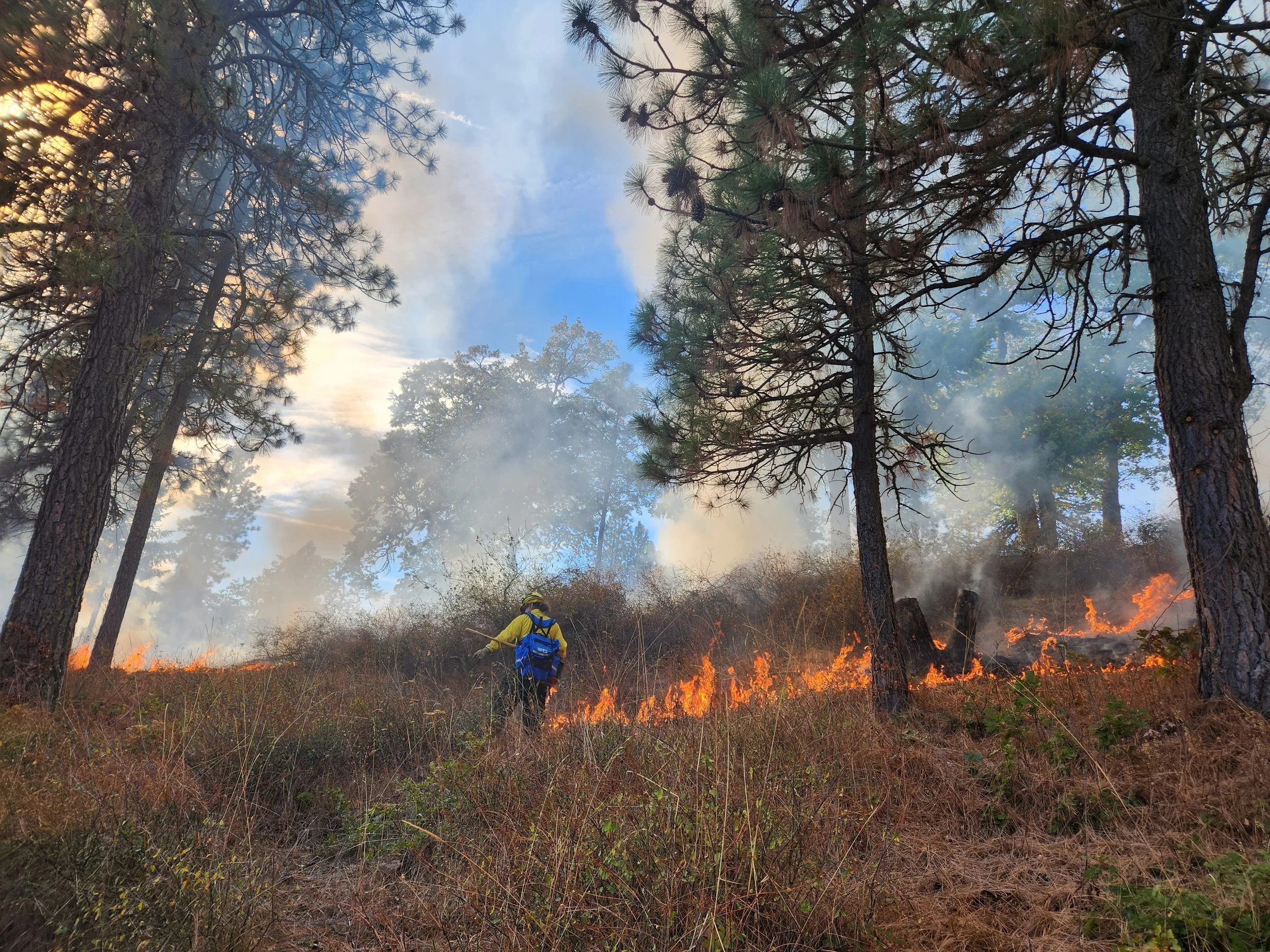
Prescribed burn near Lyle, WA. Image credit: Lacey England
Across MARS’ programs, monitoring serves an important role to help us determine whether our work is meeting our planned objectives and created the intended fire effects. That holds true for our prescribed fire activities as well, and we do our best to incorporate pre- and post-burn monitoring into our workflow.
Prescribed fire monitoring can involve a range of different assessment strategies. At its simplest, it can be walking around an area, observing the state of the land and vegetation before a burn and then doing post-burn follow up visits to note changes. Other monitoring strategies involve more systematic approaches. Less time-intensive is photo-taking at defined points throughout the burn unit to sufficiently capture unit variability. Photos are taken before the burn and at several times after fire has passed through. A more involved method involves assessing the quantity of surface fuels (e.g. logs, sticks, needlecast, and plants) at defined plots within a burn unit, then comparing that to remaining surface fuels after a burn. Common monitoring tools and protocols are the Forest Service’s Photoload Tool and the East Cascade Oak Partnership’s disturbance monitoring protocol.
The following represent a selection of pre- and post-burn monitoring photos that reflect various effects of our burns in different forest types. All of these units were burned in the fall of 2025. Photos were taken immediately pre-burn, three to six weeks post-burn, and in June 2026.
Trout Lake-area Private Lands Burn
Location: Along Highway 141 about 5 miles south of Trout Lake
Burn date: October 8th, 2025
Forest type: Mixed conifer
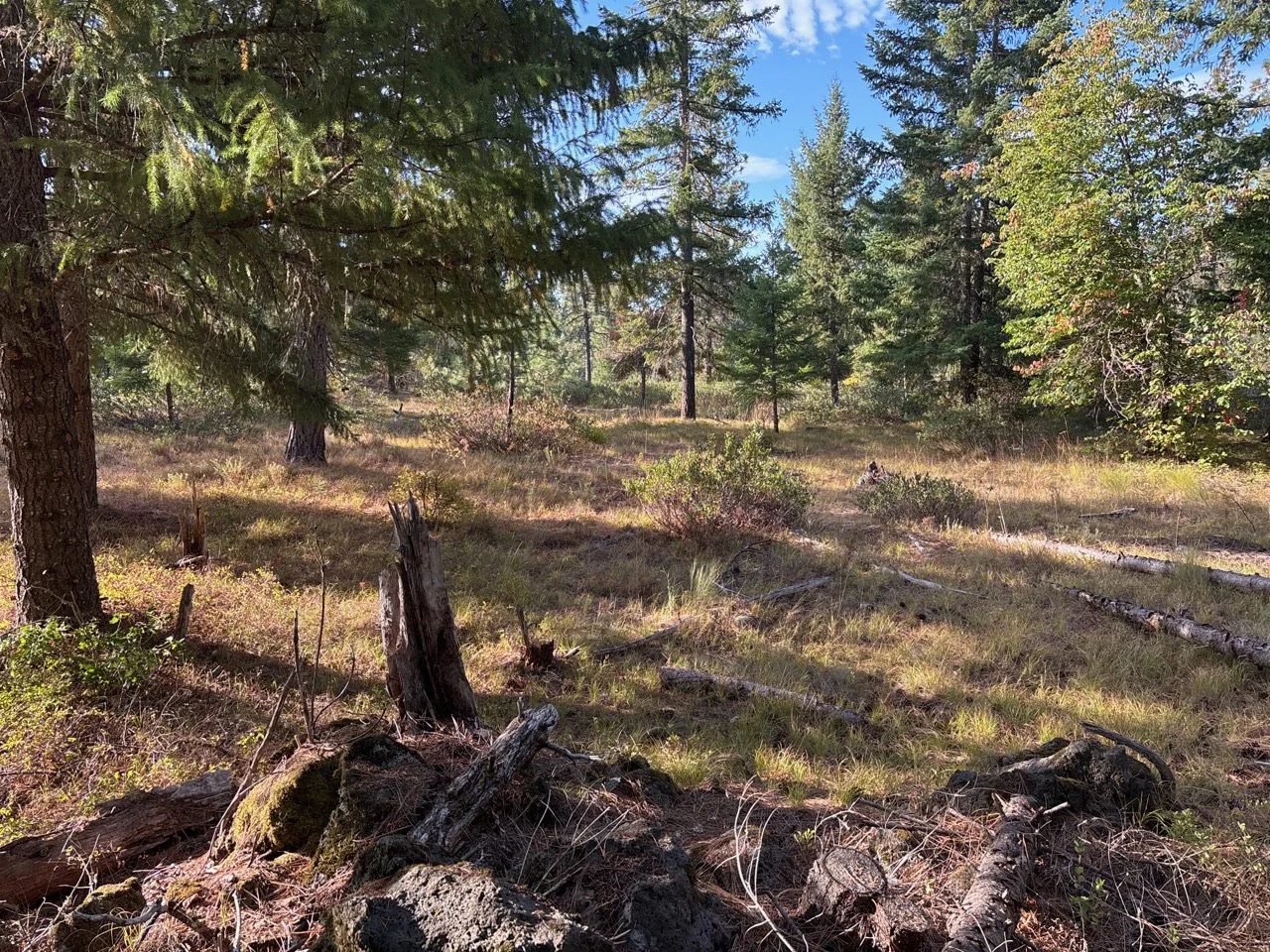
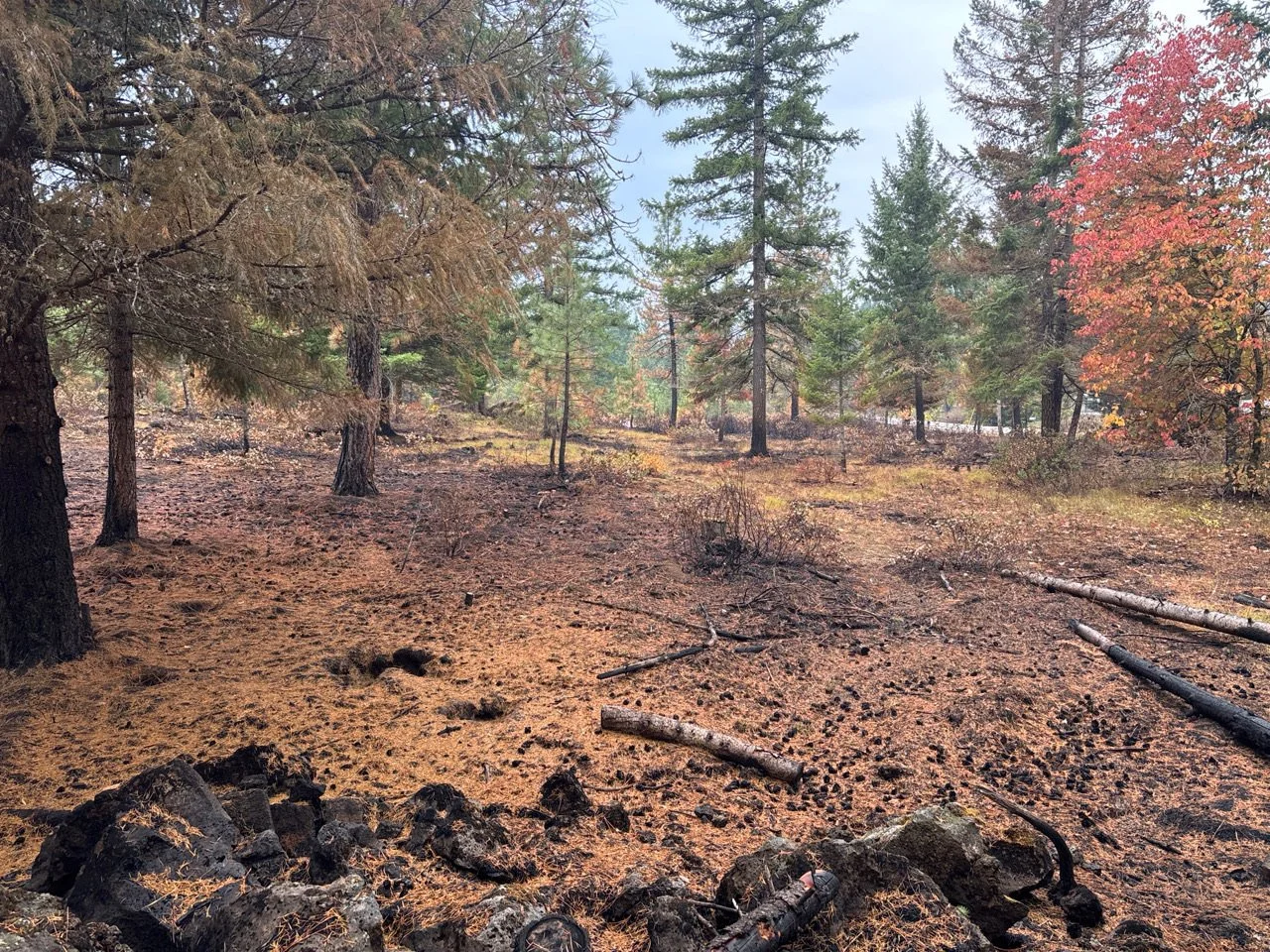
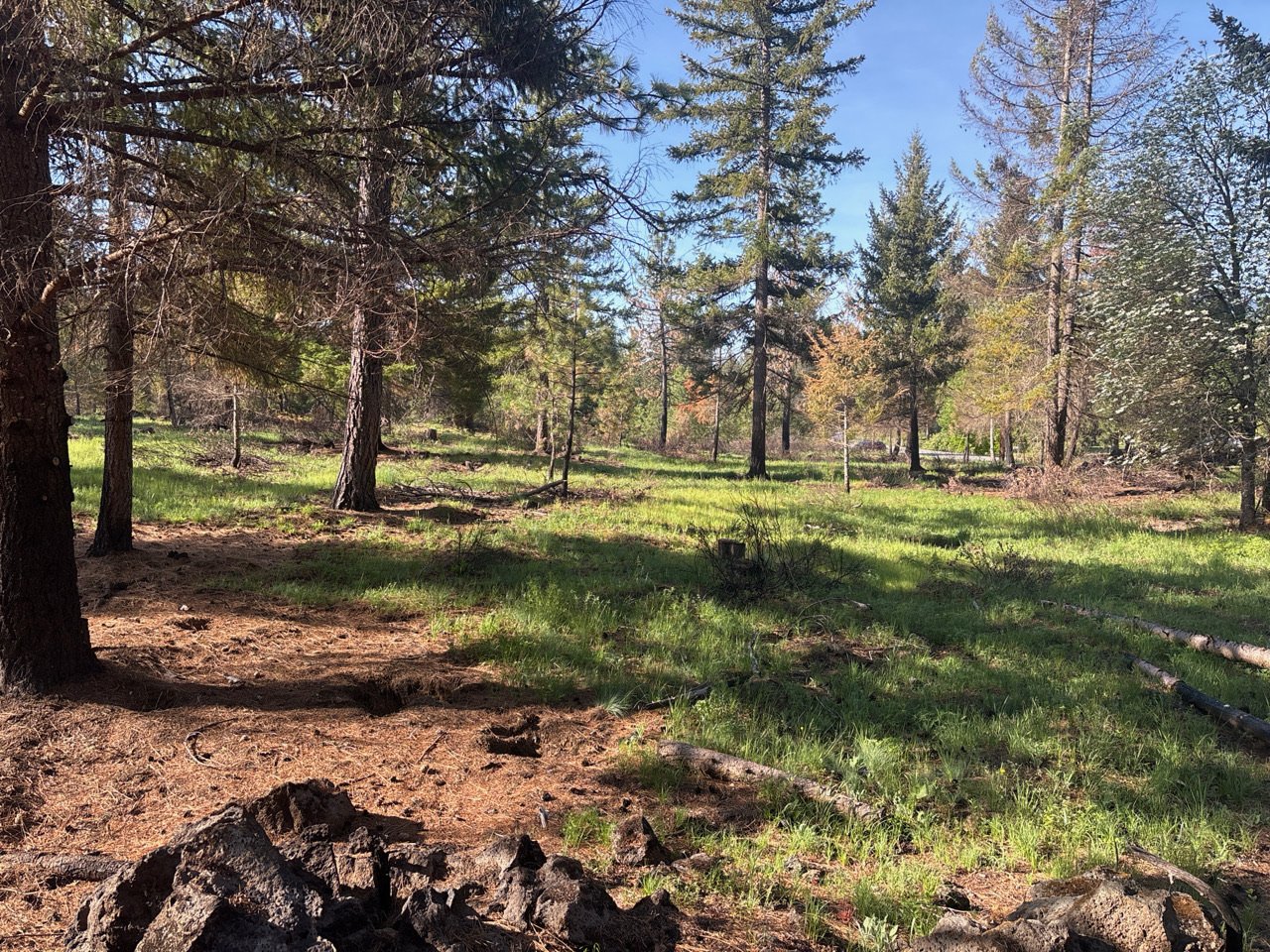
The fire burned hotter through the denser needlebed beneath conifer trees, creating more severe burn effects. This is part of the mosaic of fire effects that we aim to create with our burns, which helps promote structural and plant diversity. The fire did consume some stumps though many of the larger logs remained, likely because they had higher moisture content.
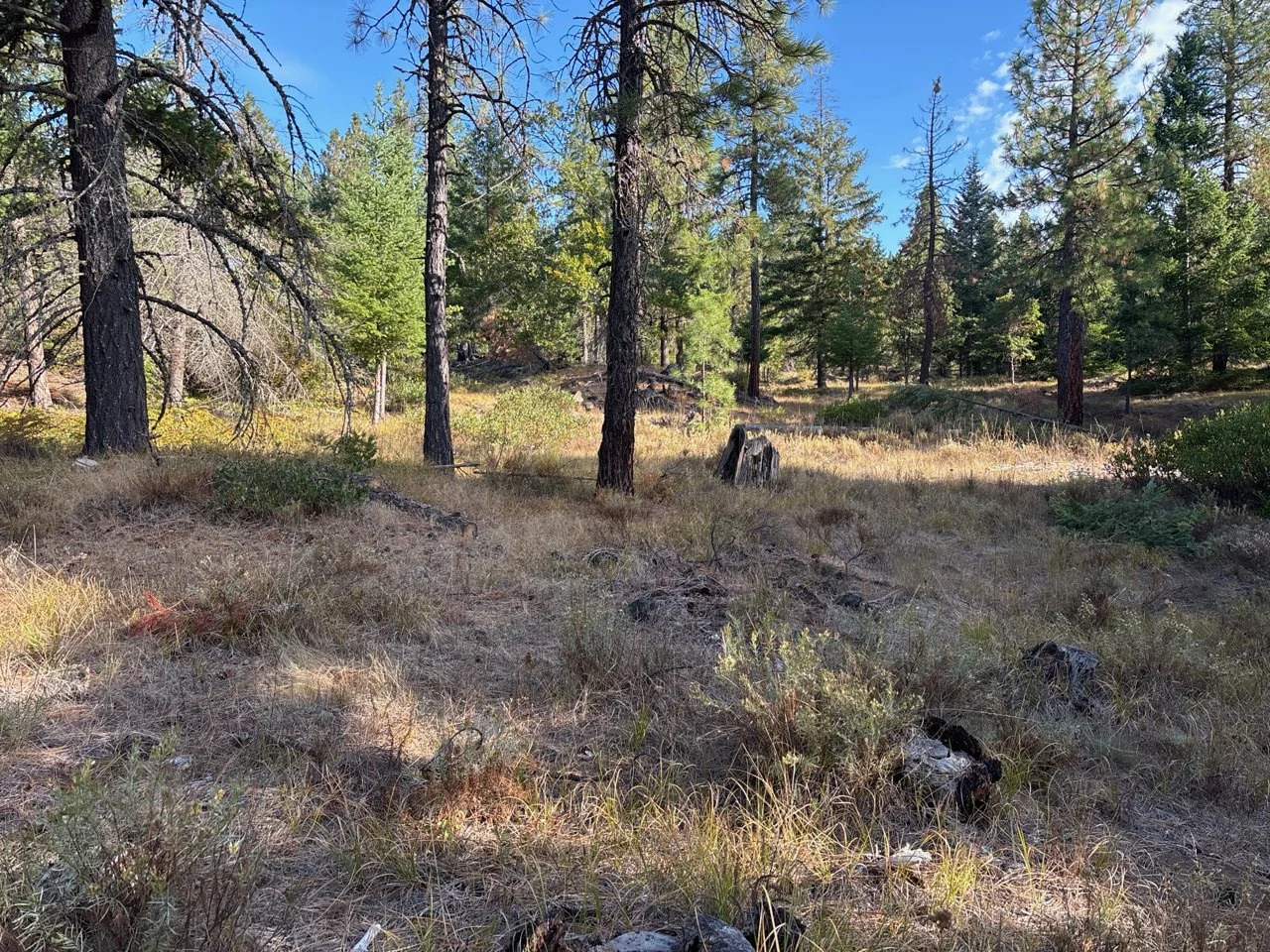
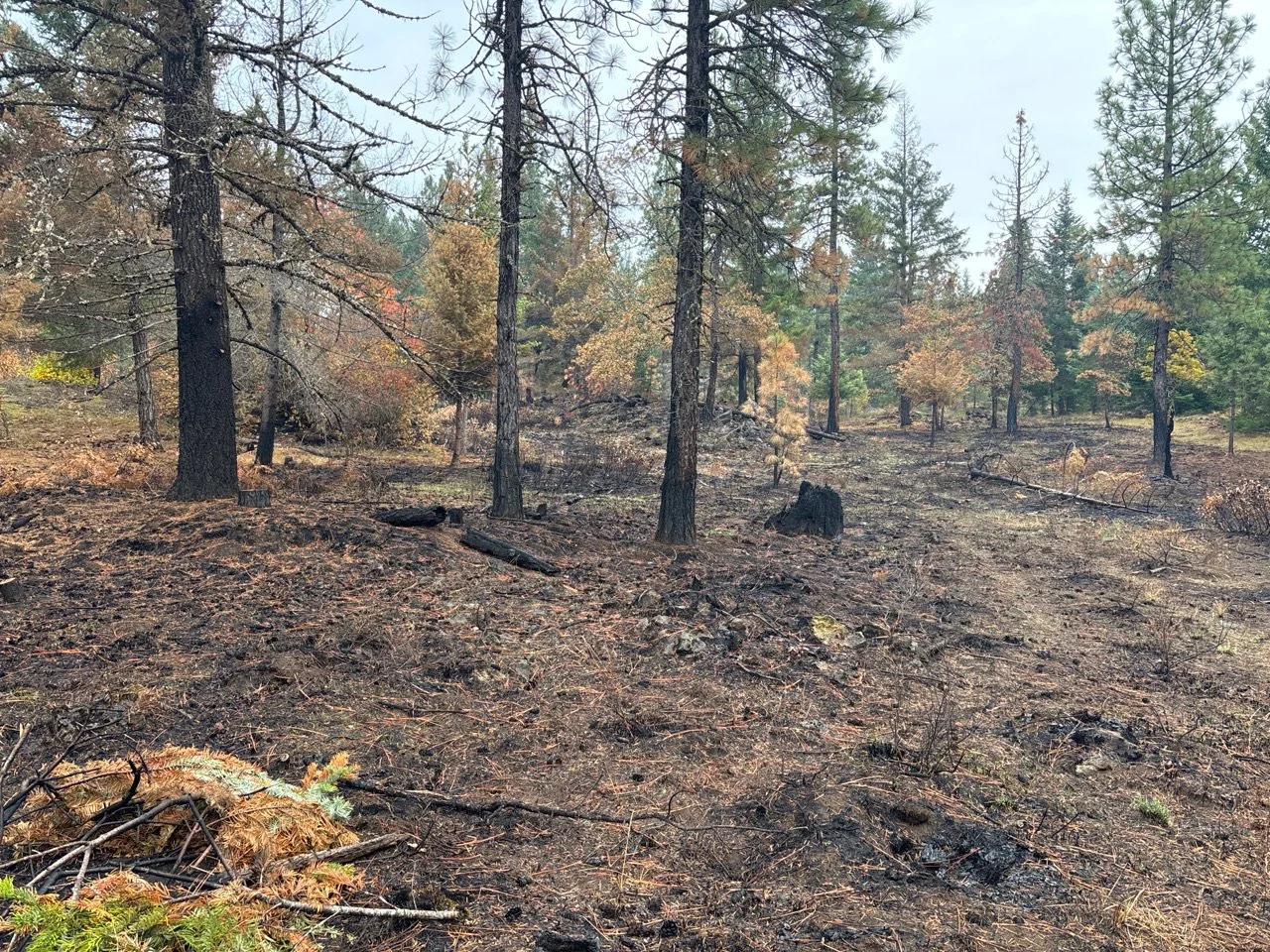
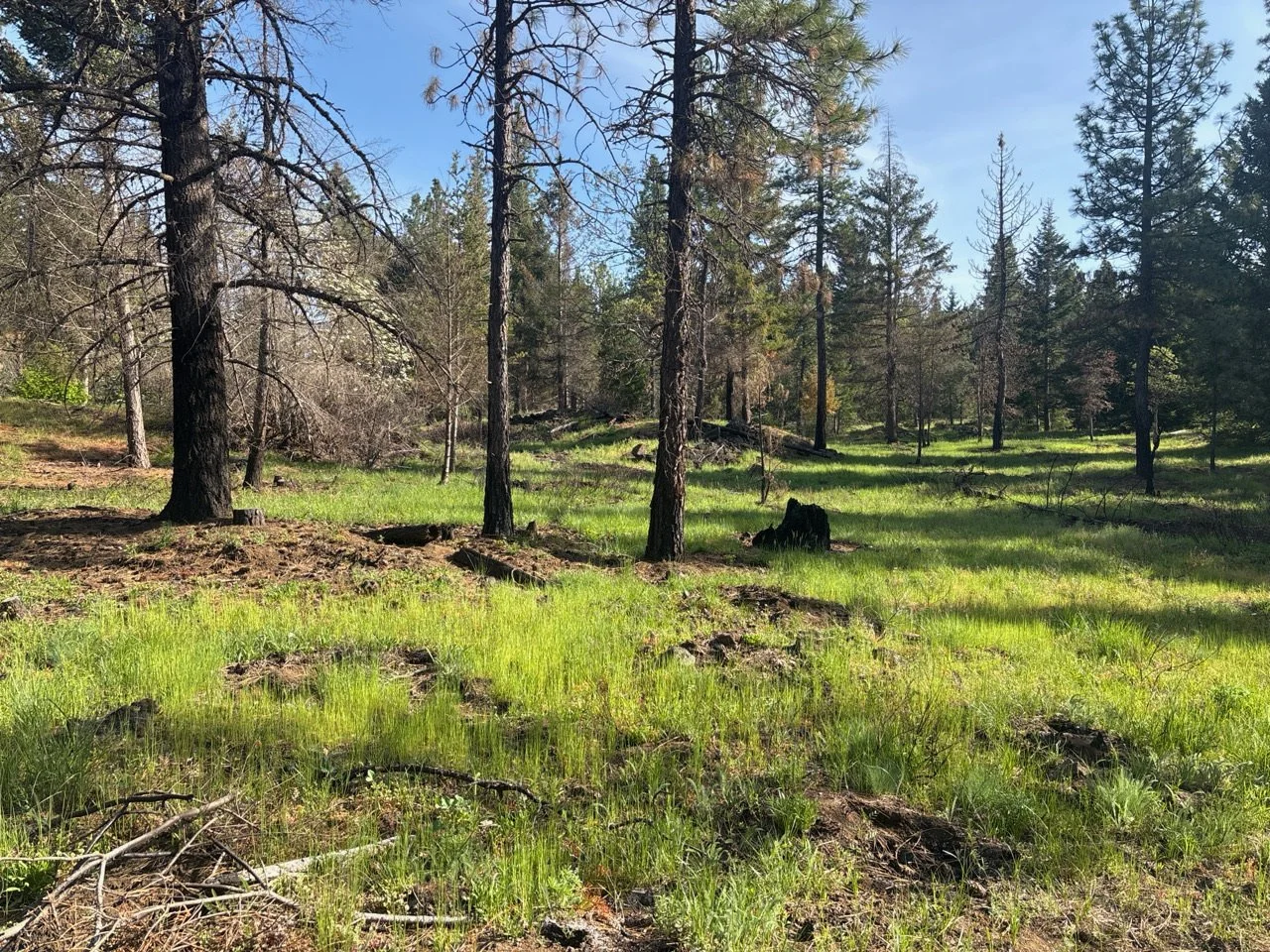
Our burn aimed to kill some ceanothus – the bush visible in the pre-burn photo – in order to reduce the density of this highly flammable plant. It appears that the above-ground portion of the ceanothus bushes were effectively burned. Future monitoring will be needed to determine whether the plants are dead or will regrow in future years.
Lyle-area Private Lands Burn with the Mt. Adams Prescribed Burn Association
Location: Along Silva Ridge Road, 4 miles north of Lyle
Burn date: October 18, 2025
Forest type: Oak woodland
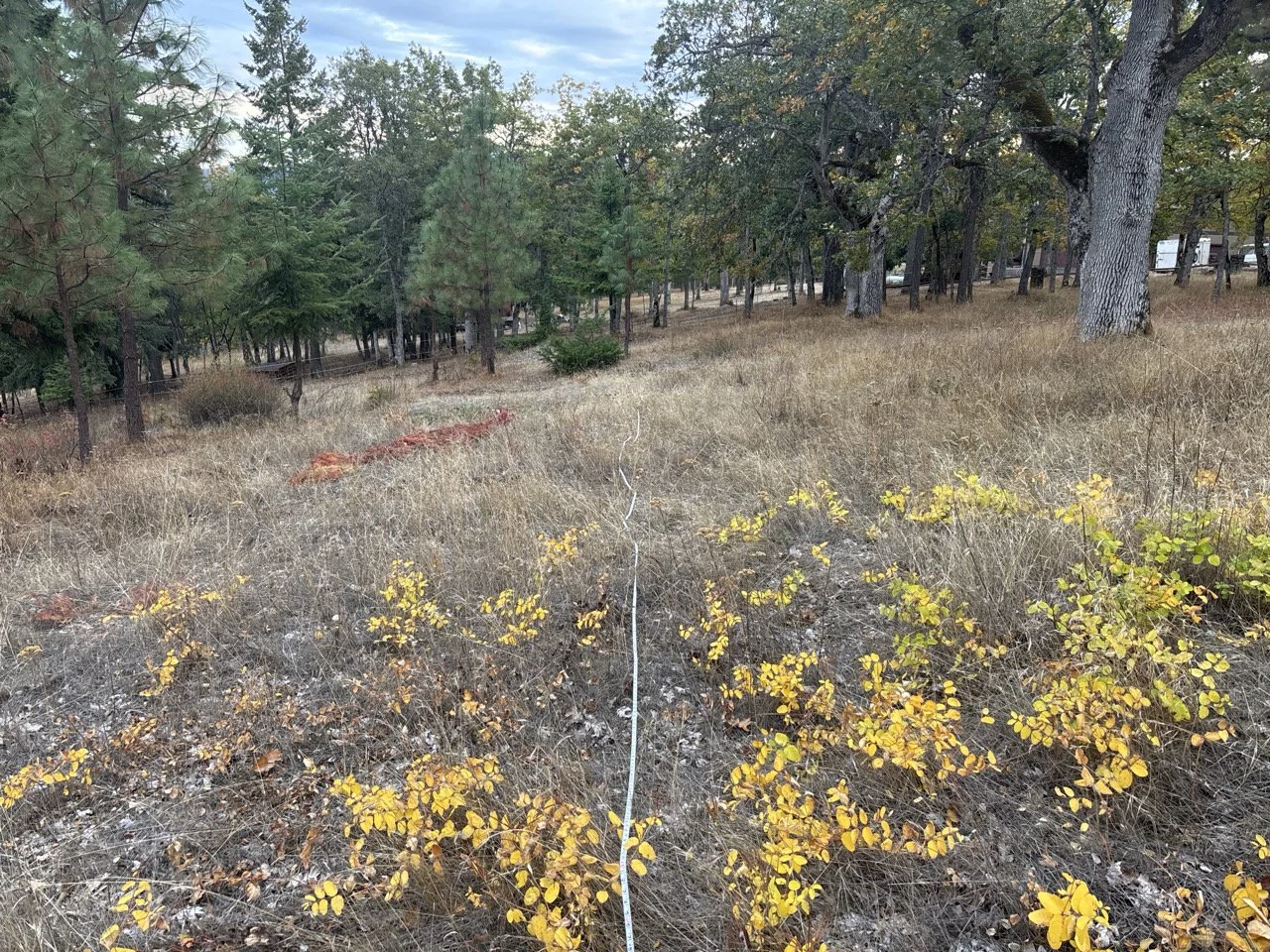
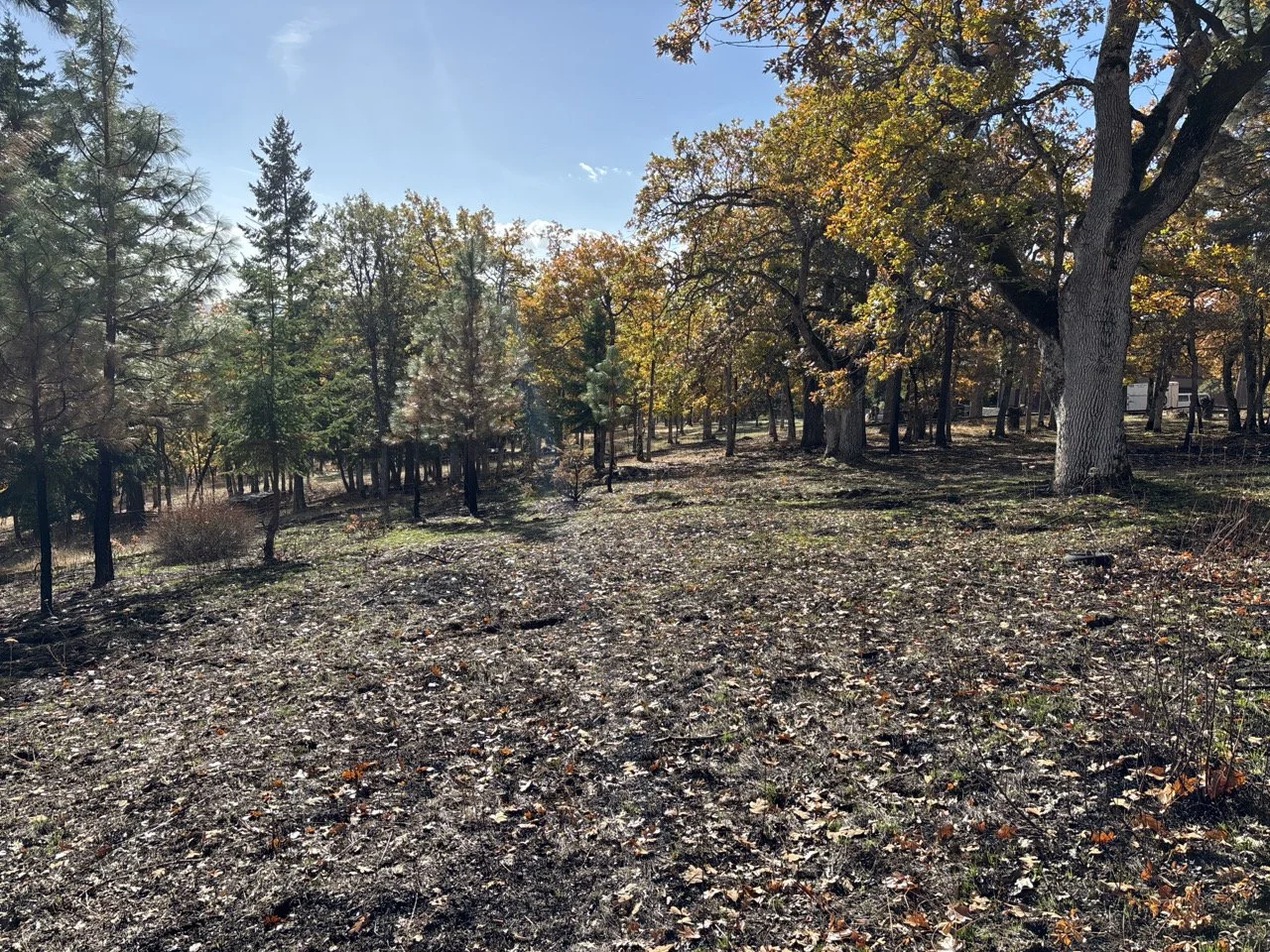
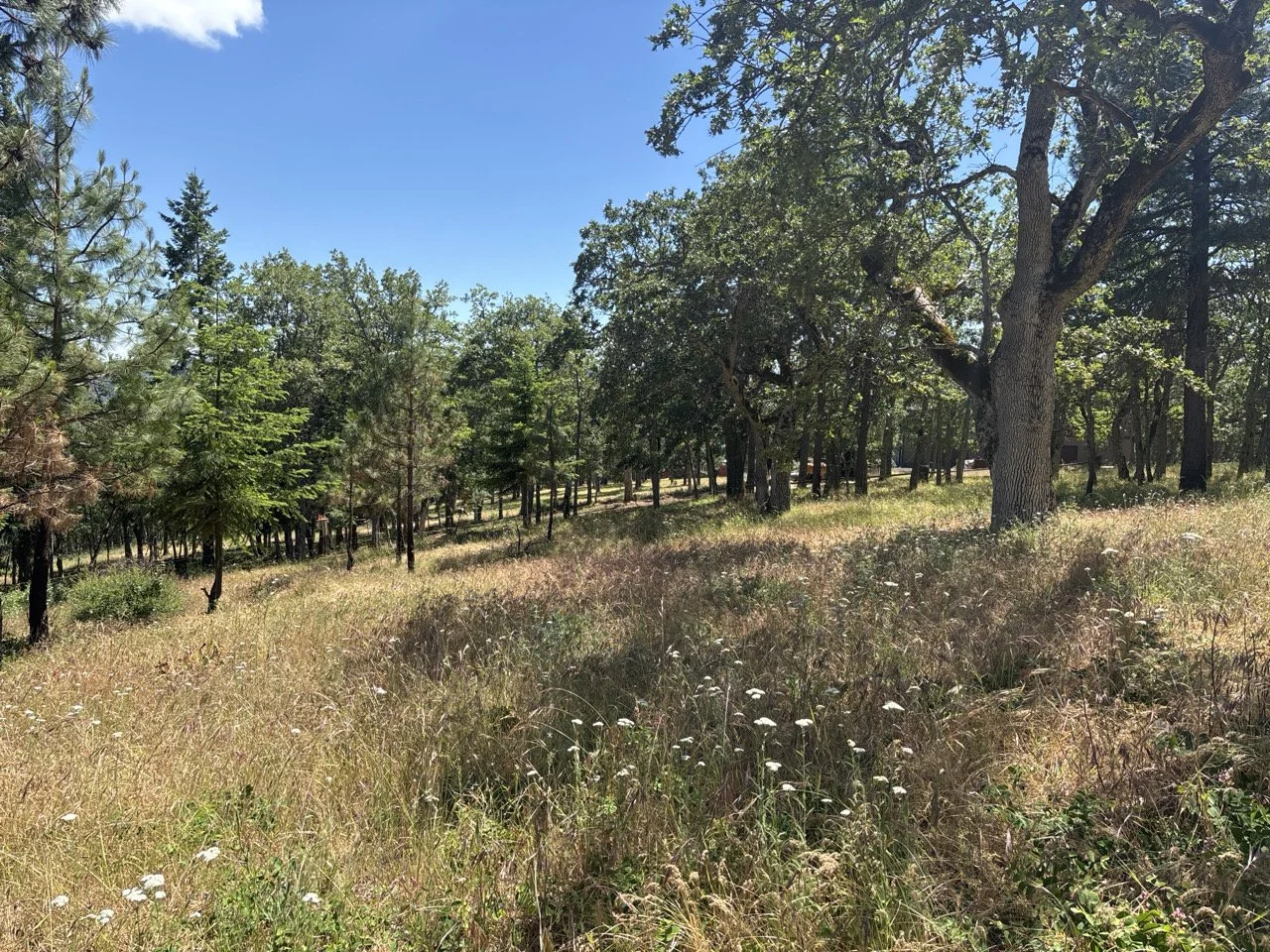
One objective of burning was to promote wildflowers on the property. In addition to the white flowers of the common yarrow in the last photo, the landowner said he saw plentiful cornflowers earlier in the spring, whereas in years past it had been “nothing but grass.”
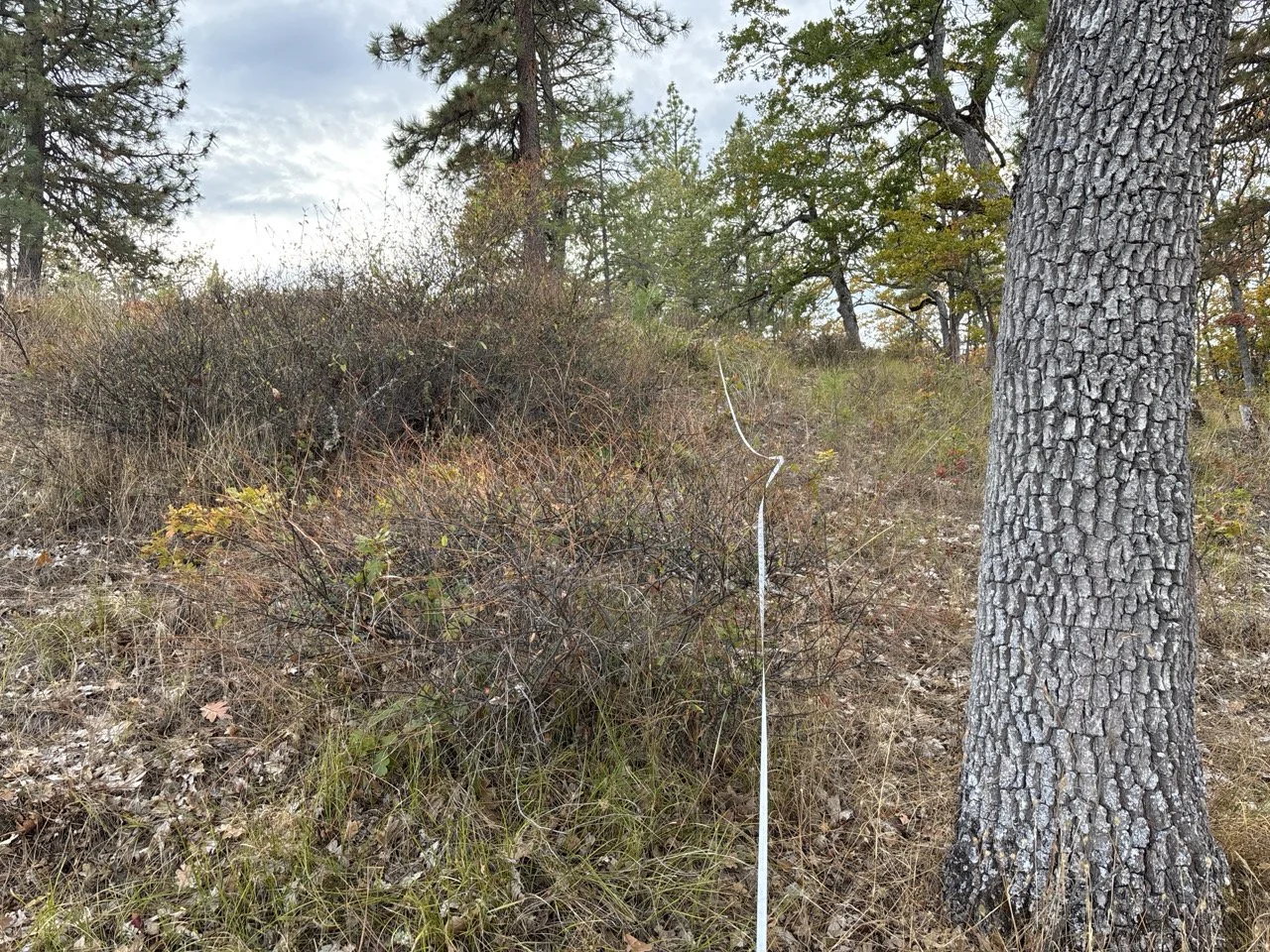
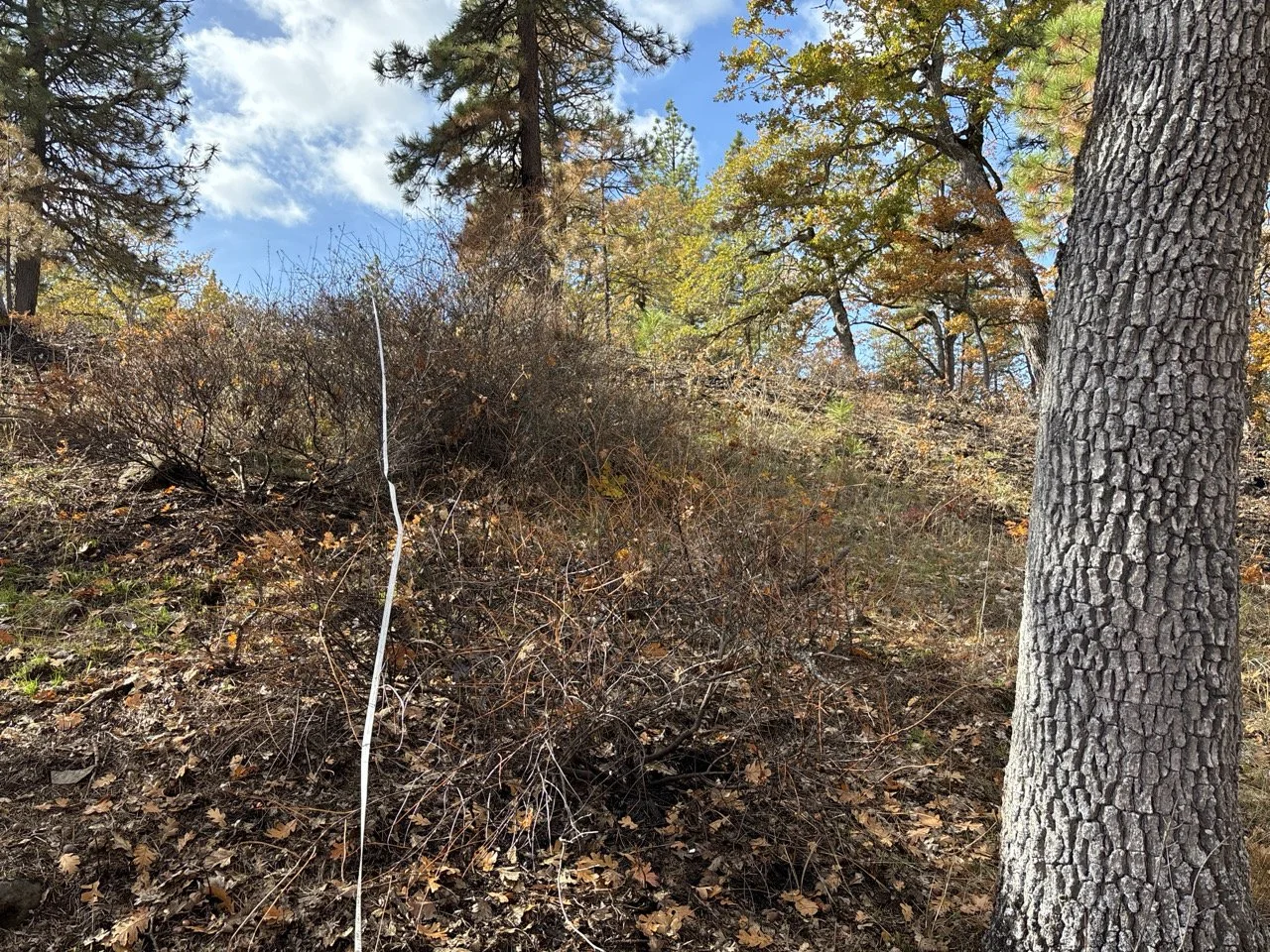
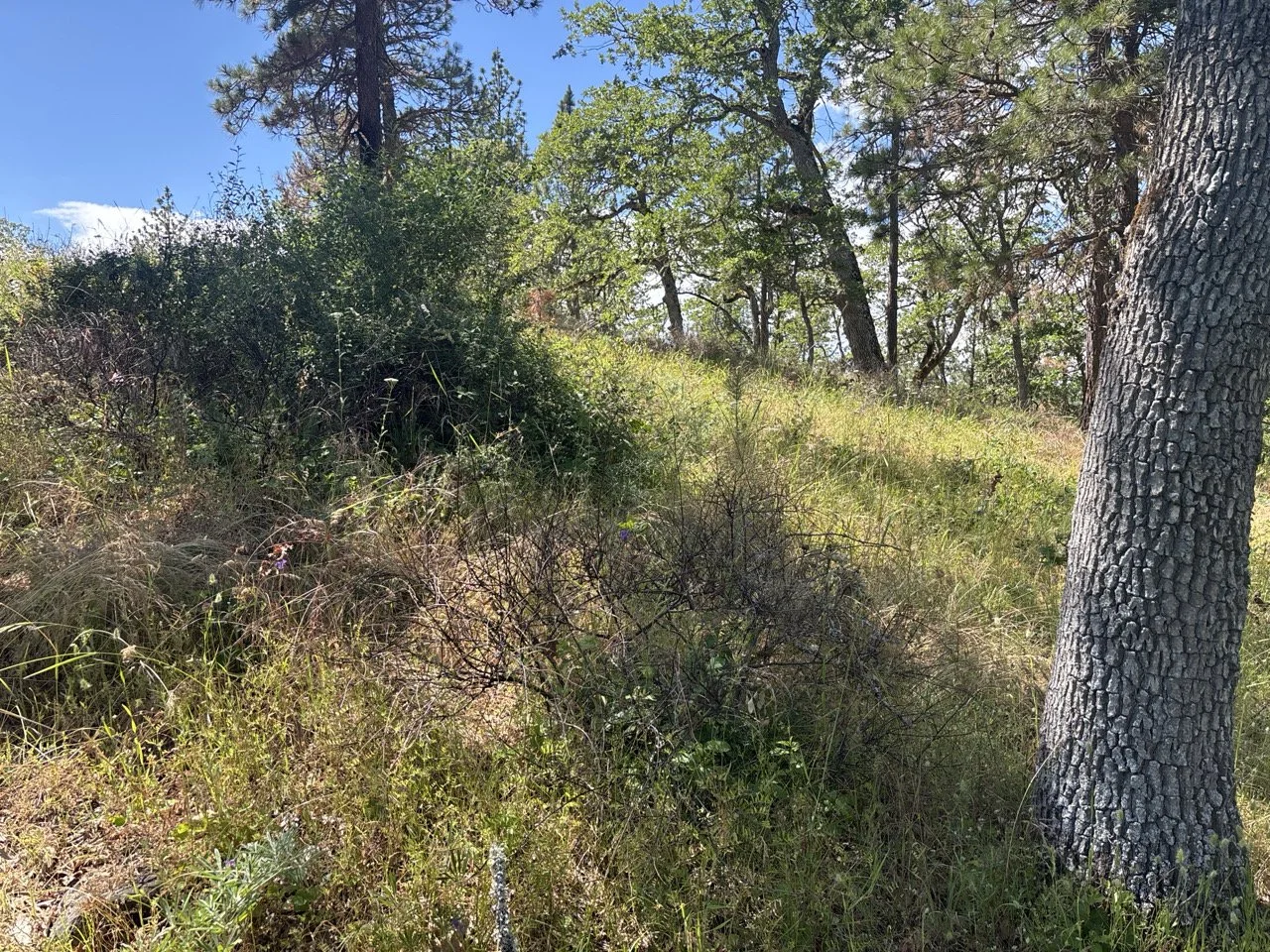
While the fire fully consumed the leaves of the deerbrush ceanothus across much of our burn unit, the bushes appear to have largely recovered this spring. Our burn was lower severity in areas of mixed grass and oak litter where this photo was taken, so many areas of grass were only partially blackened and appear to have grown back robustly since the fall. Oak trees in that part of the unit were not blackened or scorched by the fire.
Mt. Adams Community Forest Burn
Location: Pine Flats Tract of the Mt. Adams Community Forest, 5 miles southwest of Glenwood
Burn date: October 17 and October 23, 2025
Forest type: Ponderosa pine
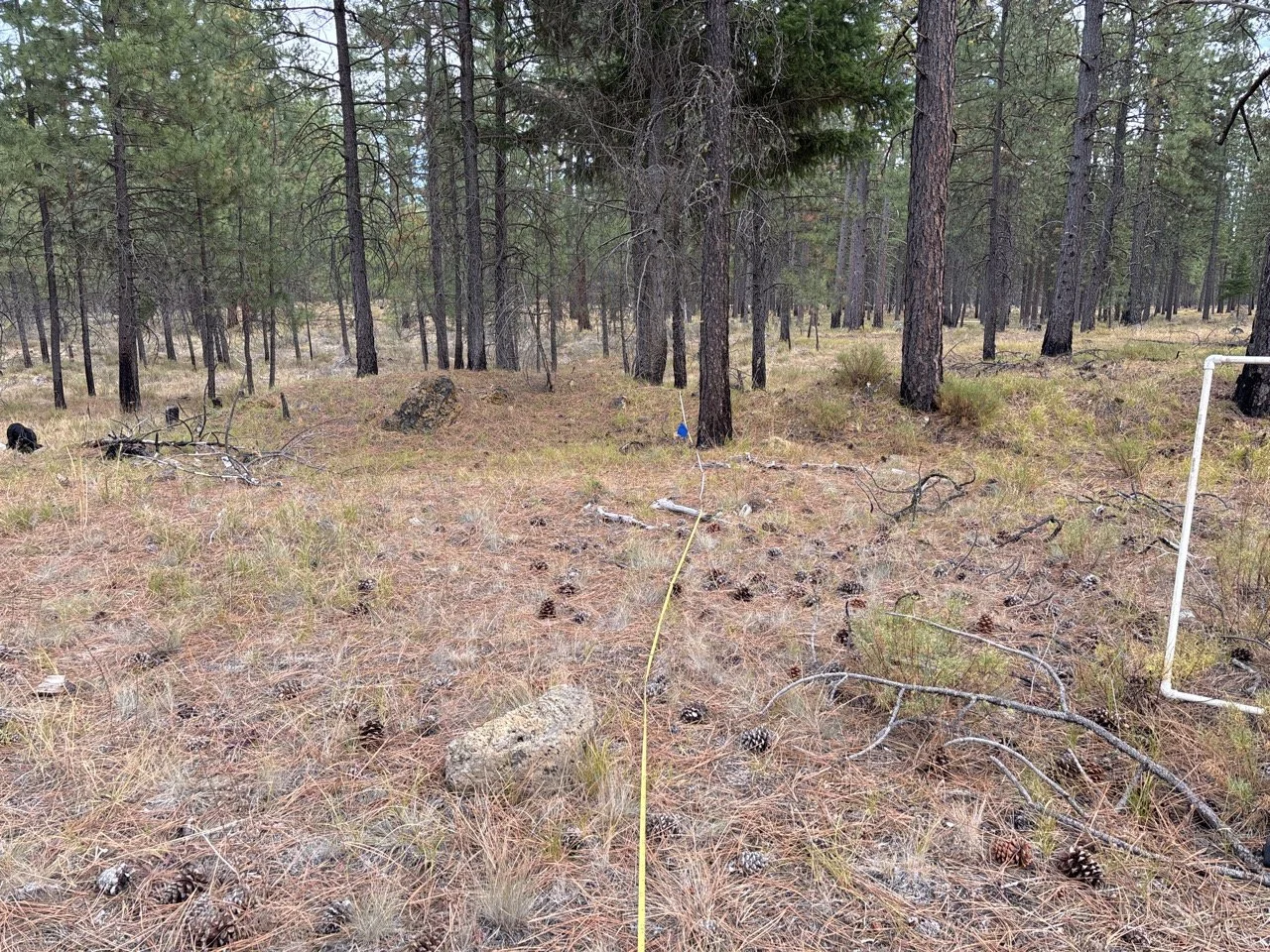
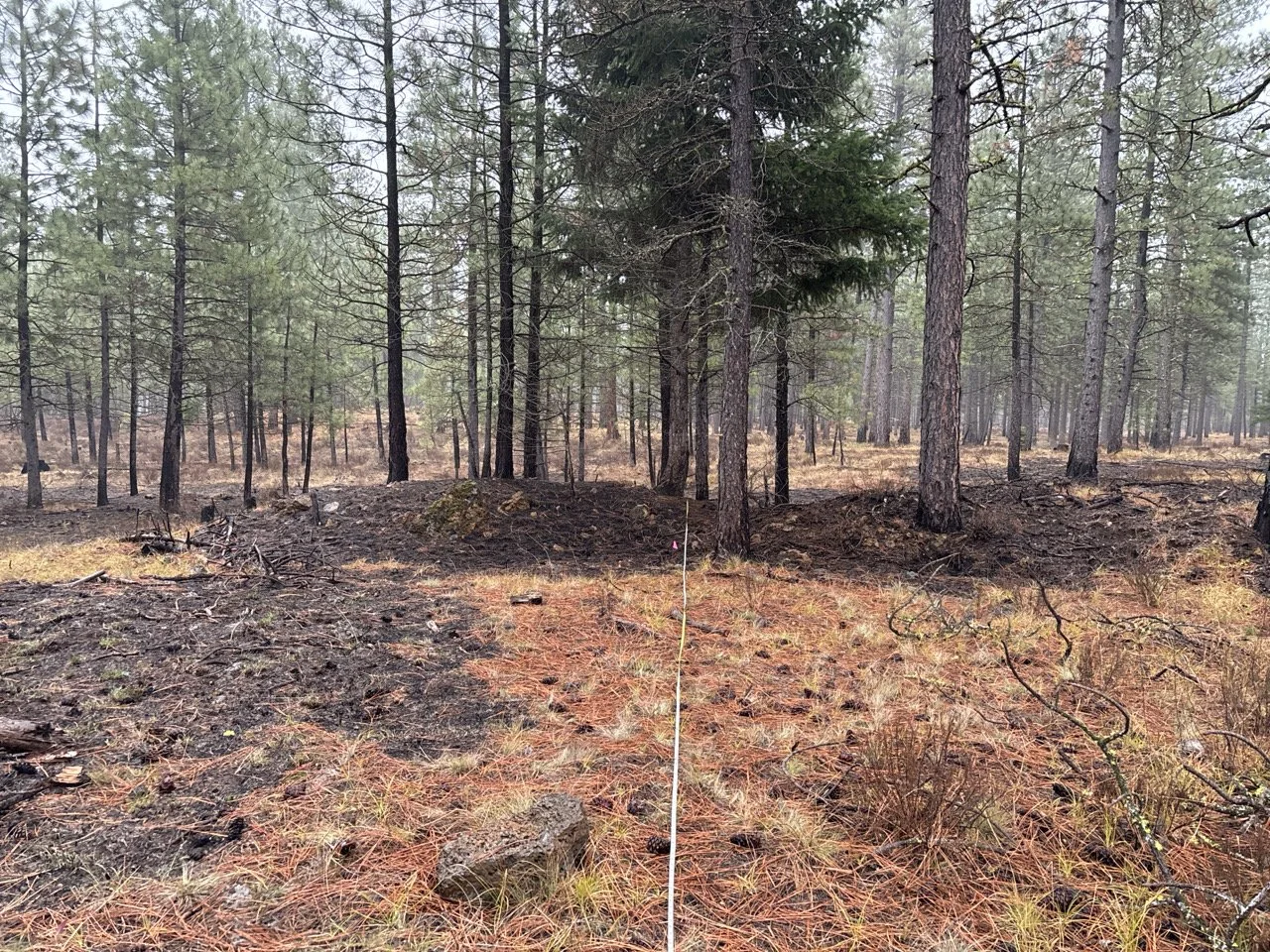
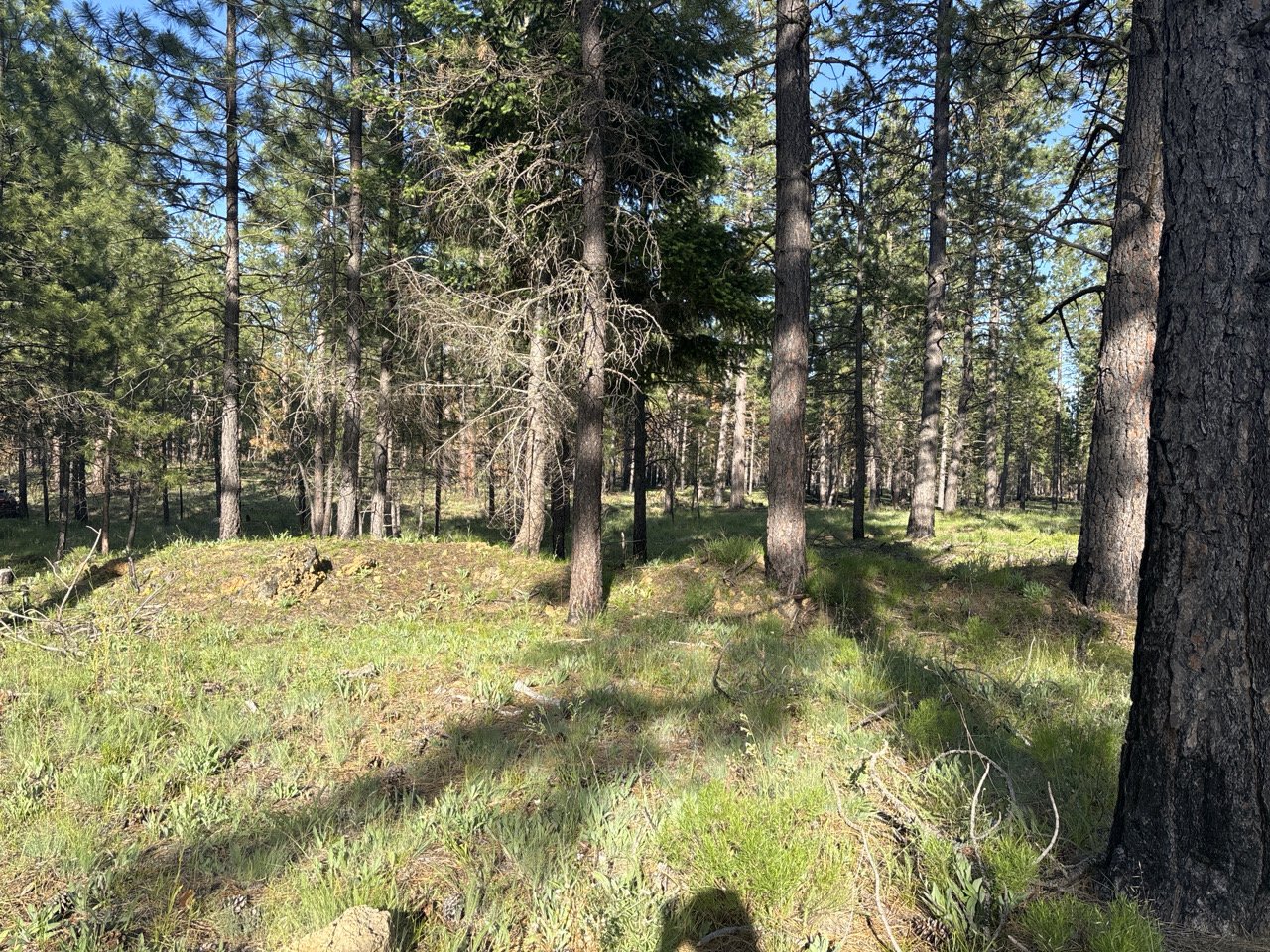
This burn occurred later in the fall, resulting in patchier fire effects. Even areas that appeared to experience higher fire severity (fully blackened patches) had a blanket of new growth this spring, including a healthy mix of bunch grasses and shrubs.
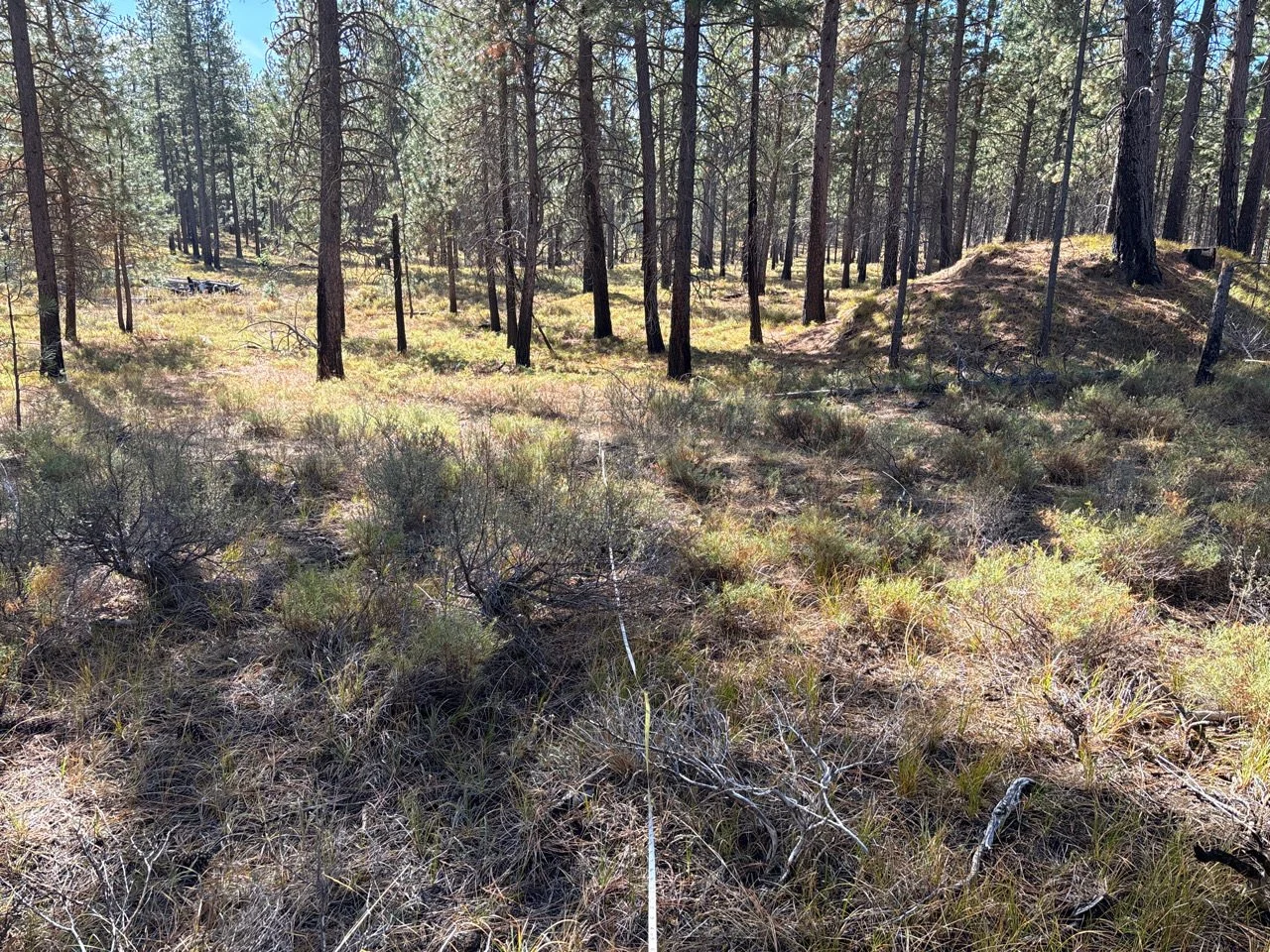
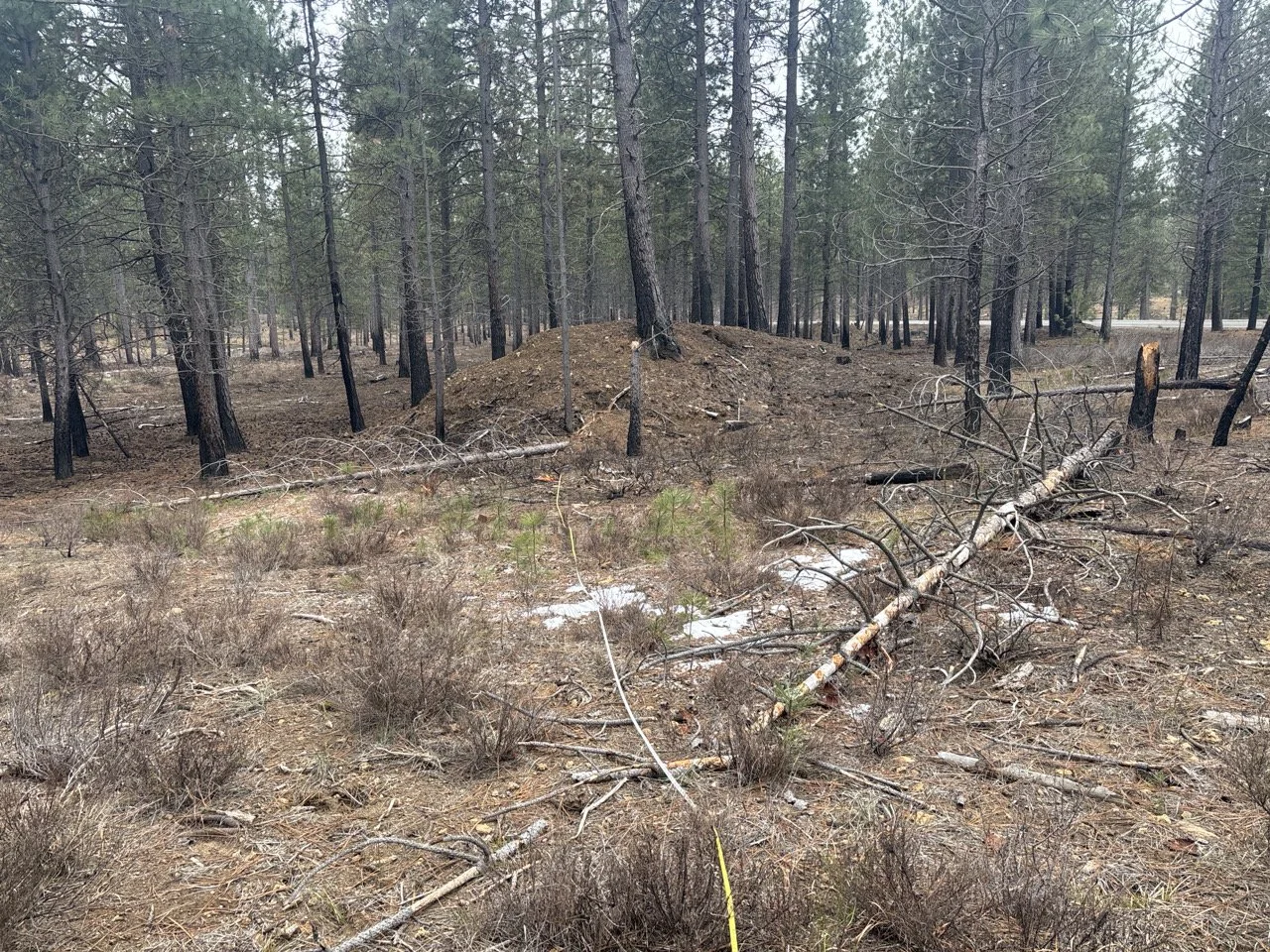
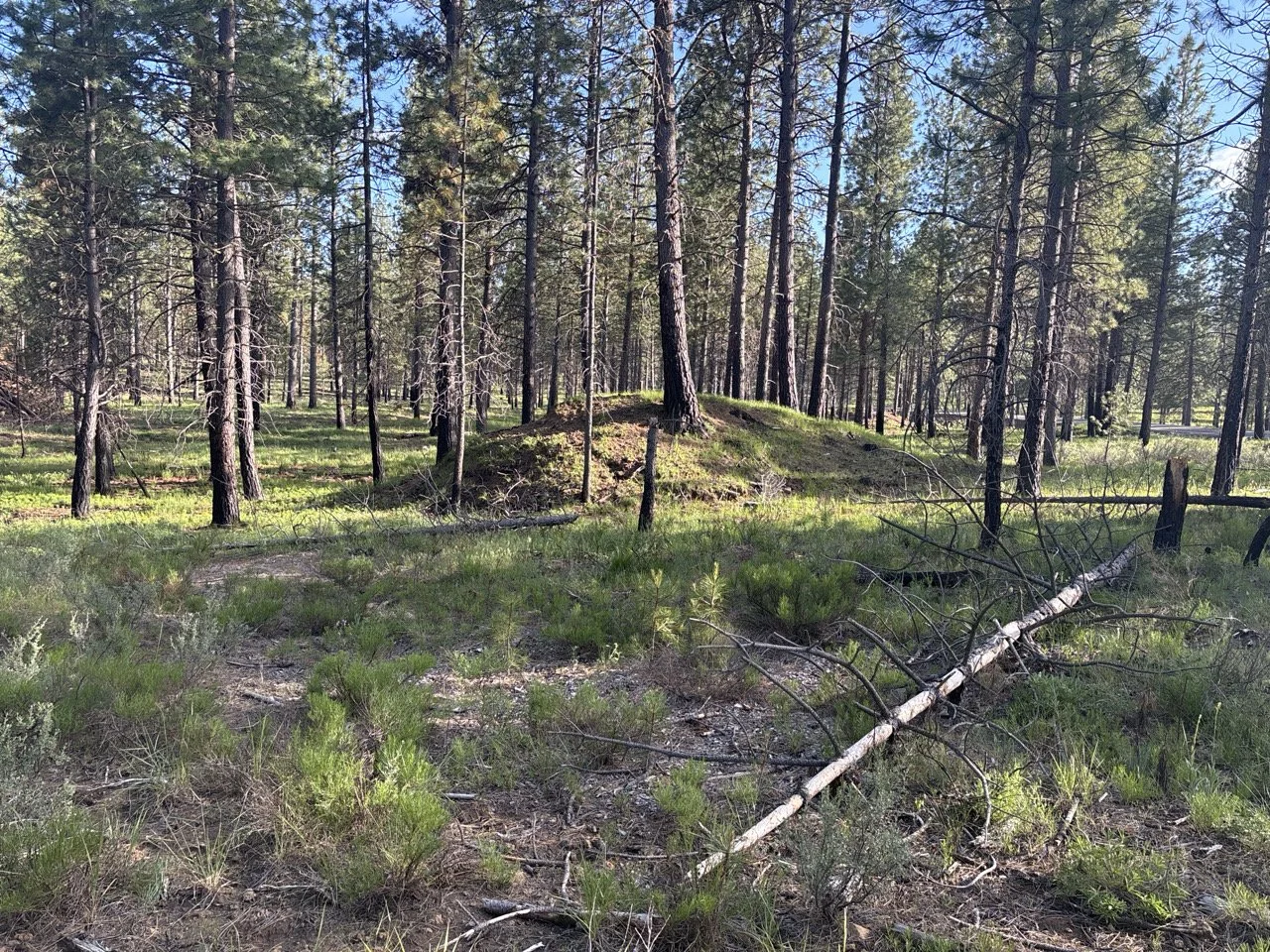
The fire burned finer fuels like grasses but did not consume many, if any, of the woody fuels like twigs, branches, and logs. Post burn, the understory appears generally patchier than before the burn, which can create space for new growth.
Moving forward
As our team continues implementing and monitoring more prescribed burns, we develop a more robust internal catalog of examples representing different fuel types, weather conditions, seasons, and firing techniques. This information will allow us to better fine-tune our burn treatments to optimize for our desired fire effects in the future.
If you have any questions about our prescribed fire program, please visit this page or reach out to Emery Cowan at emery@mtadamsstewards.org.