Community Forest Research Highlight: Understory Plants & Fire
By Flora Booker (UO Undergrad Researcher, Wildfire Adaptation, Resilience, and Policy Lab)
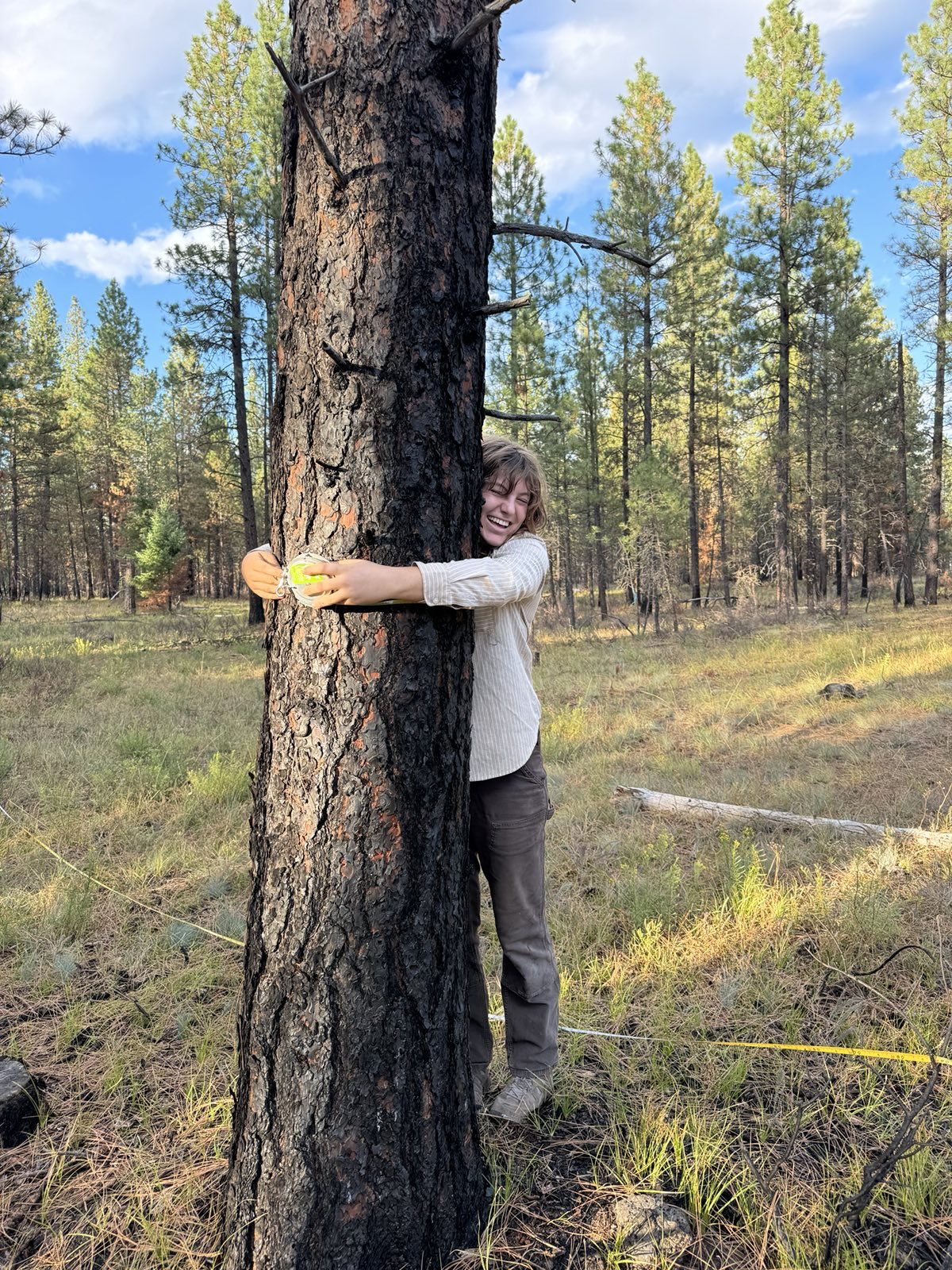
“Huzzah!” That was the first thing Dave Ryan, Monitoring Coordinator at Mount Adams Resource Stewards, exclaimed when I handed him a plate of home-baked banana bread on the first day I visited the Pine Flats tract of the Mt. Adams Community Forest. As a UO biology and environmental studies student (aka: plant nerd) working in a wildfire resilience lab, it was a dream to be involved with a community-based nonprofit like MARS. Later that day, while striding together between the vibrant reddish-brown bark of ponderosas, shoes sinking softly into the thin duff layer of needles dropped since the last burn, I fell in love with the Pine Flats ecosystem and the group behind its care.
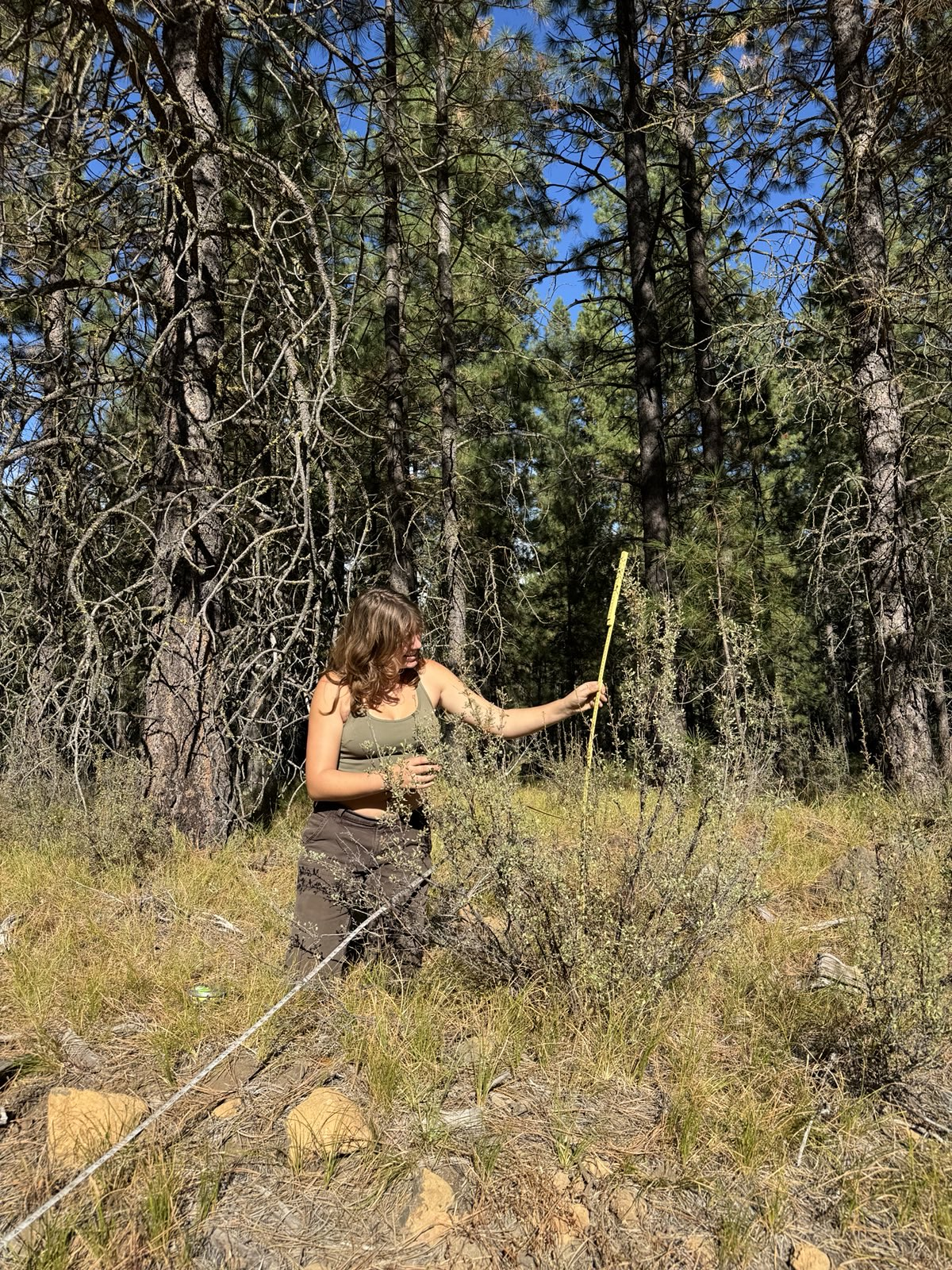
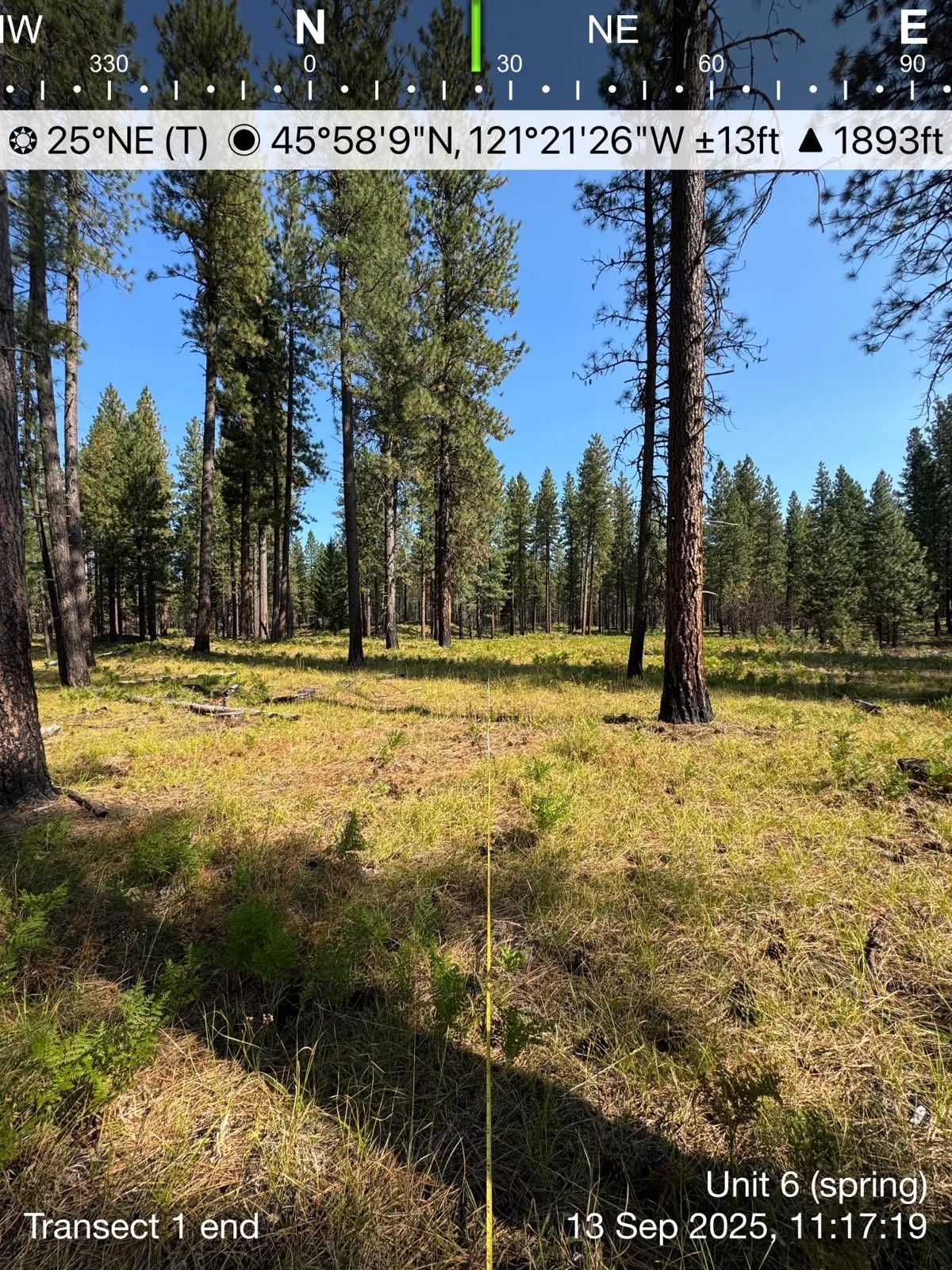
I've been back to the site six times, bribing friends with the promise of free food and visits to the rodeo to answer this question: how do understory plants respond to prescribed burns that take place in the spring vs. the fall, and which treatments successfully reduced the amount of aggressively-growing antelope bitterbrush on the site? Our findings so far indicate reduced ladder fuels, healthier tree growth, and greater plant species evenness in post-burn units.
As my fieldwork with transect tapes and quadrats pauses, I am now focused on unpacking these datasets to compare post-fire biodiversity and successional patterns. Join me at the summer Mt. Adams Prescribed Burn Association quarterly meeting in June for a discussion of those findings, which will also include a free “Plants of The Pine Flats Community Forest” plant ID guide, and learn about how to get involved with future research on wildflowers of the gorge and their fire relationships. Thank you, MARS! Huzzah Indeed!
More about the Mt. Adams Community Forest
More about MARS Monitoring Program
More about the Mt. Adams PBA