Monitoring Report: Oaks, Moths, Symbiosis & Trophic Cascades
By David Ryan, MARS Monitoring Coordinator
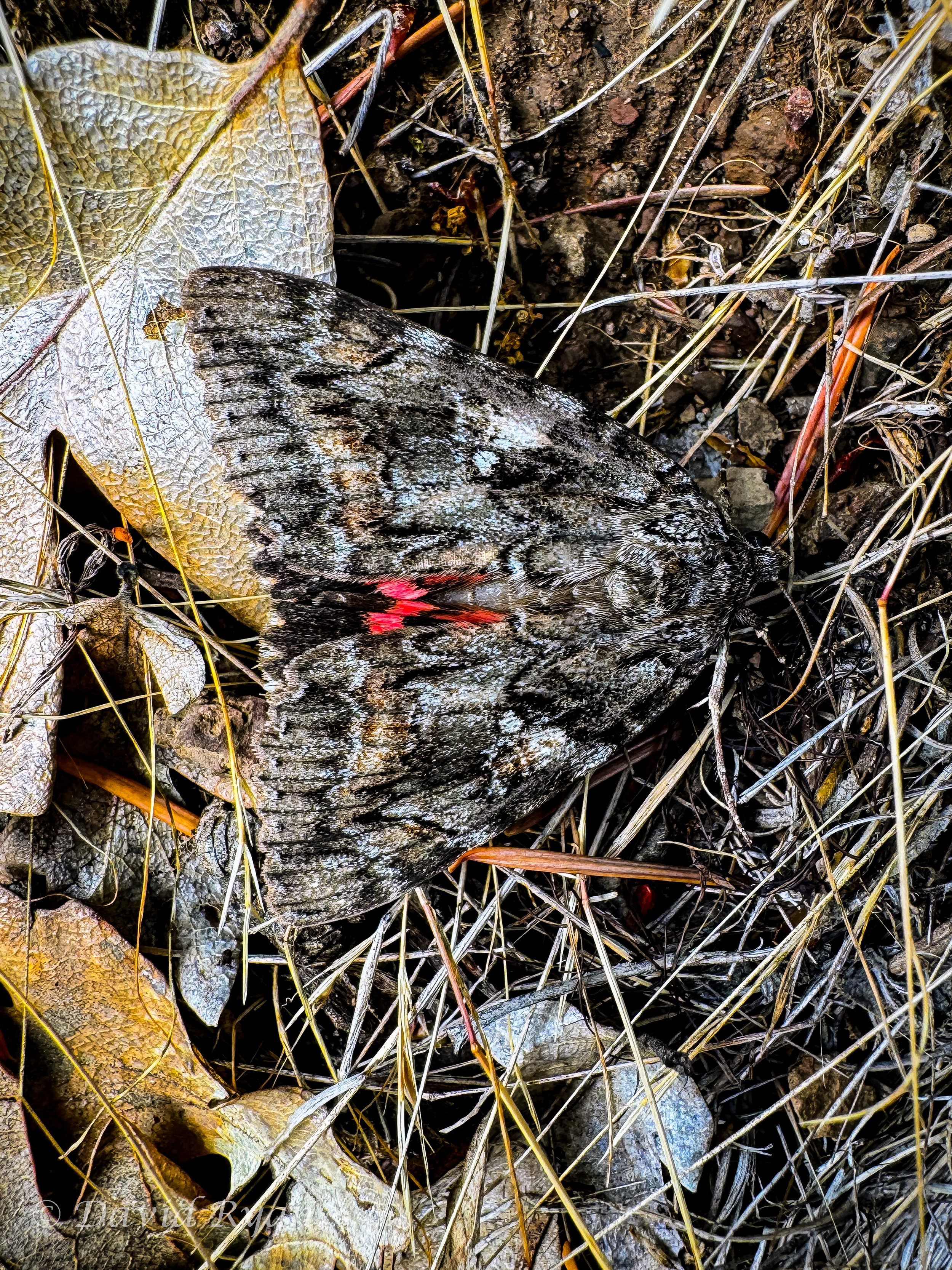
Can you see the two species in a symbiotic relationship? What ecosystem interactions are at work?
This picture from September 2025 shows an underwing moth in the Catocala genus on the forest floor of an Oregon white oak (Quercus garryana) woodland in eastern Oregon. The moth is either an Ilia Underwing Moth or an Aholibah Underwing Moth. These species are widely distributed across oak woodlands and forests of North America and have ideal camouflage for these habitats.
These moths have a symbiotic relationship with oak trees. Three types of symbiosis exist in nature: mutualism, commensalism, and parasitism (with predation and competition classified as separate types of relationships than symbiotic ones). The larvae of these moths are dependent on oak foliage as a foodplant, which makes this relationship a parasitic one where one species benefits and the other is harmed. Although Catocala moths can cause defoliation, outbreaks that significantly degrade oak habitats are uncommon in the Pacific Northwest.
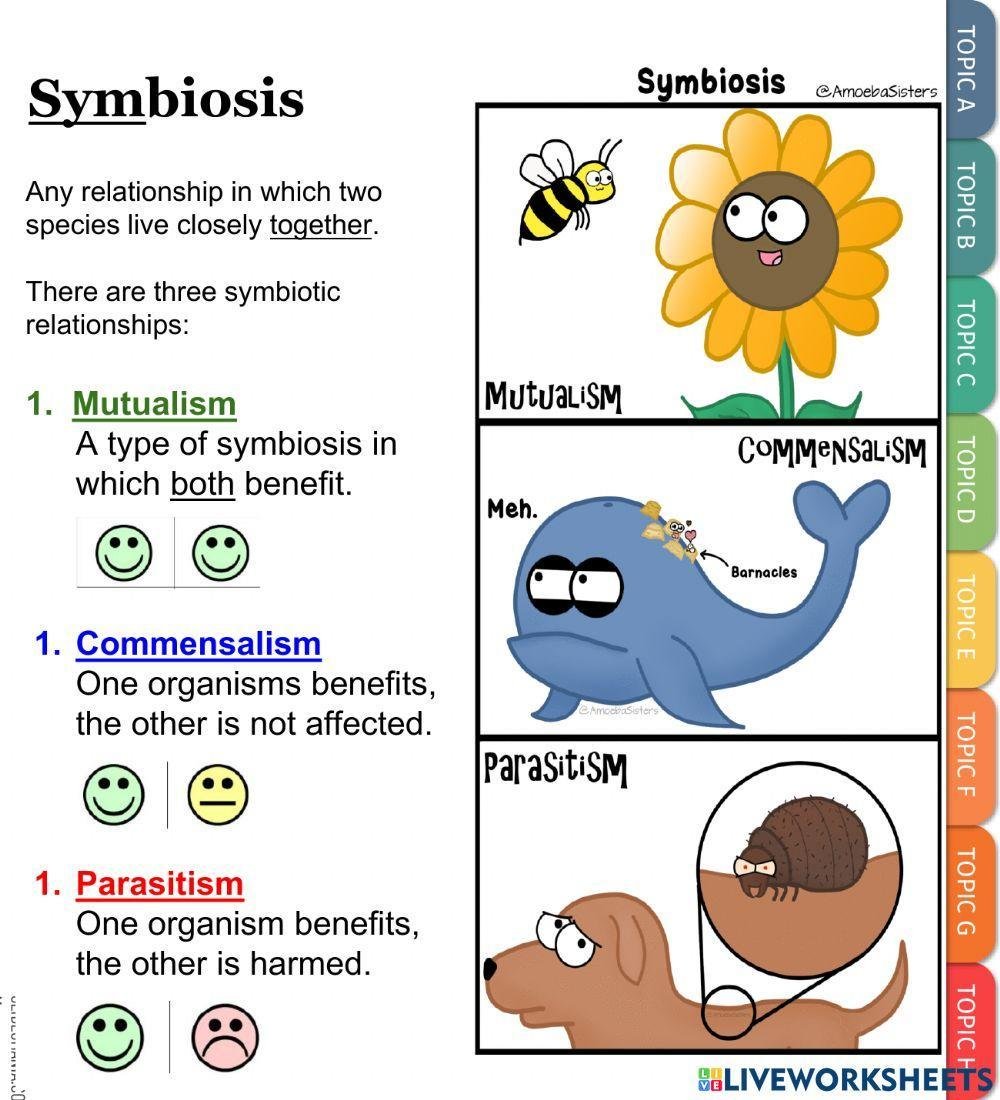
From LiveWorksheets, https://www.liveworksheets.com/worksheet/en/biology/894217
Despite the parasitic relationship, these moths are an important component of the trophic pyramid (or food web) in oak woodlands. As the larvae (primary consumer) feed on oak leaves (producers), the larvae and adult moths are consumed by birds and reptiles (secondary consumers), which are then consumed by larger carnivores such as coyotes and large raptors (tertiary consumers).
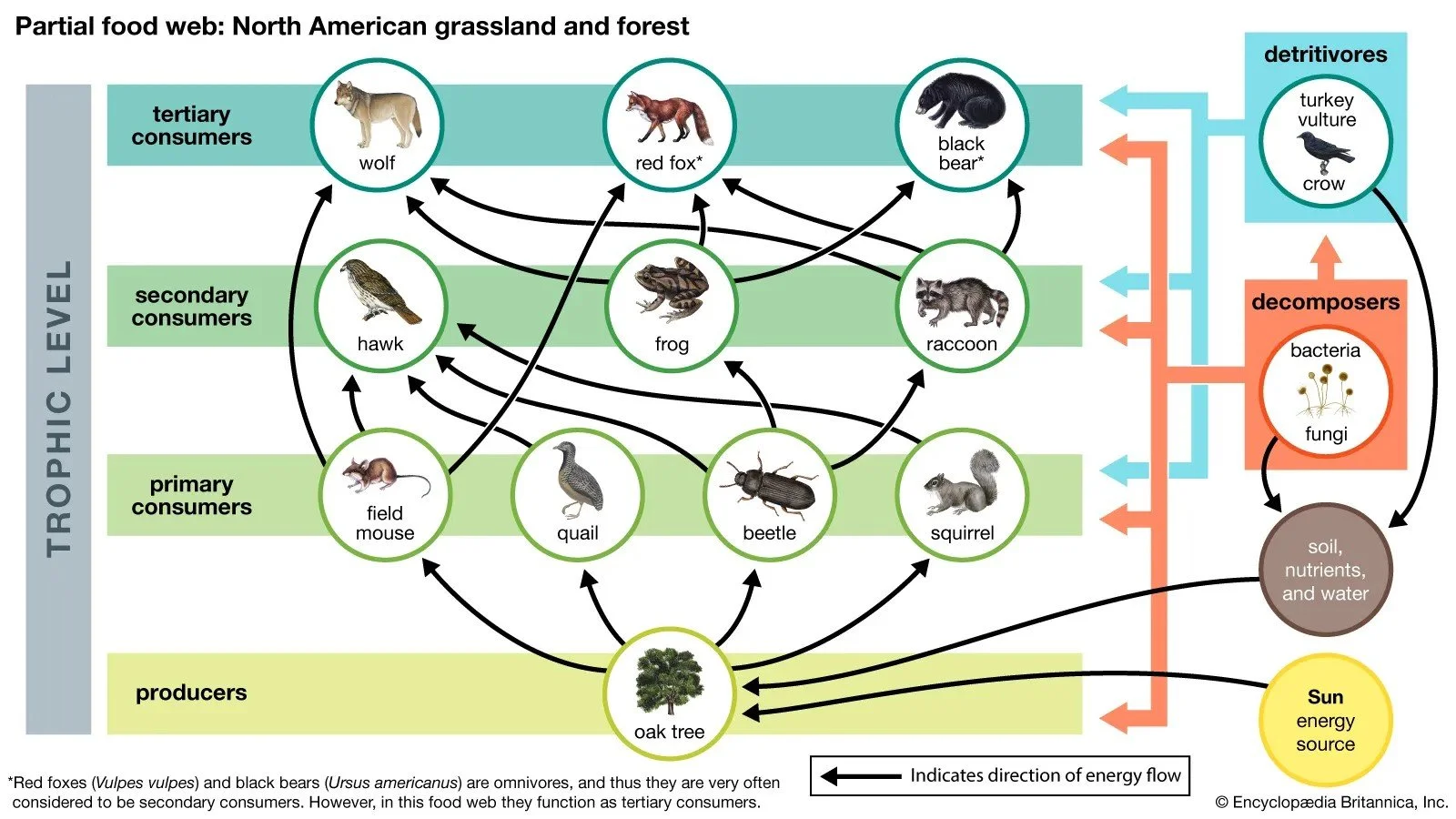
From Encyclopedia Britannica, https://www.britannica.com/science/trophic-pyramid#/media/1/212738/274620
These interactions and relationships are important to consider, even at the smallest scale, when engaging in natural resource management. To quote Aldo Leopold…
“The last word in ignorance is the man who says of an animal or plant, ‘What good is it?’. If the land mechanism as a whole is good, then every part is good, whether we understand it or not. If the biota, in the course of aeons, has built something we like but do not understand, then who but a fool would discard seemingly useless parts? To keep every cog and wheel is the first precaution of intelligent tinkering.”
This understanding is the essence of monitoring and adaptive management, which underpins the MARS Monitoring Program.
Learn more about MARS Monitoring by clicking here or contacting:
Dave Ryan, Monitoring Coordinator
dave@mtadamsstewards.org