A Busy Spring for Fire Adapted Communities
By: Elly Wells, Wildfire Resilience Technician
This spring, residents in Trout Lake and Glenwood put significant time and effort into making their homes and communities more resilient to wildfire. With support from local Fire Adapted Community groups and MARS, residents participated in programs focused on creating defensible space, adding rock around structures, and chipping woody debris.
According to the National Interagency Fire Center, year-to-date acres burned are at the second highest level in the last 10 years, making this work increasingly important for helping local communities prepare for wildfire.
Creating Defensible Space
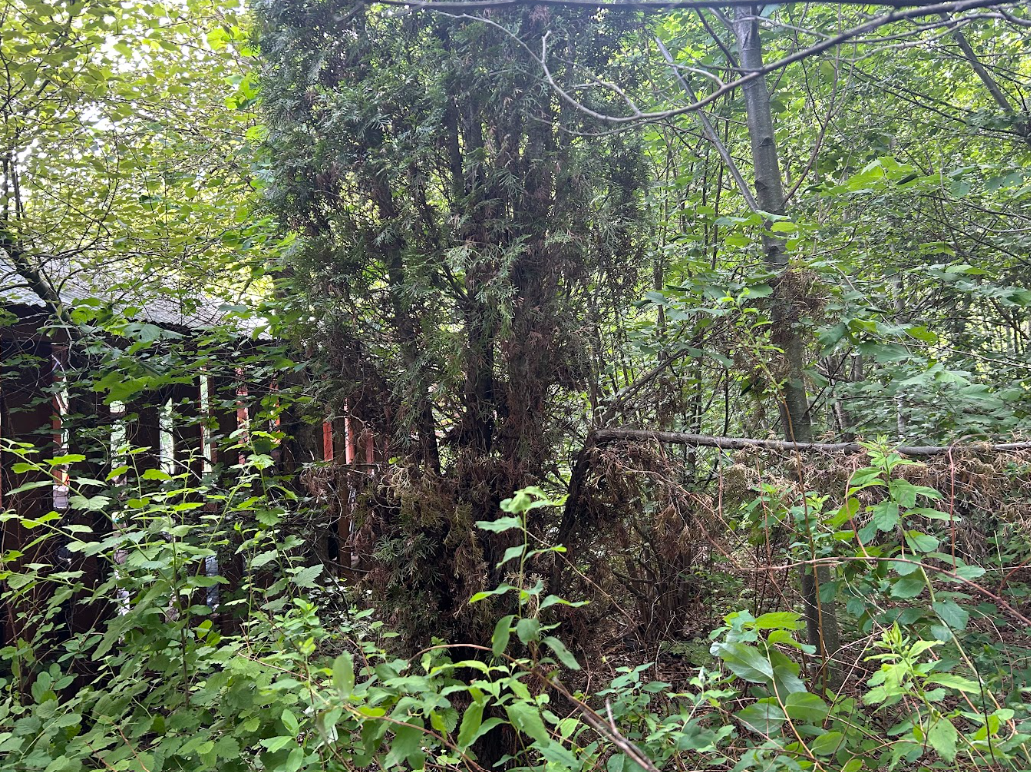
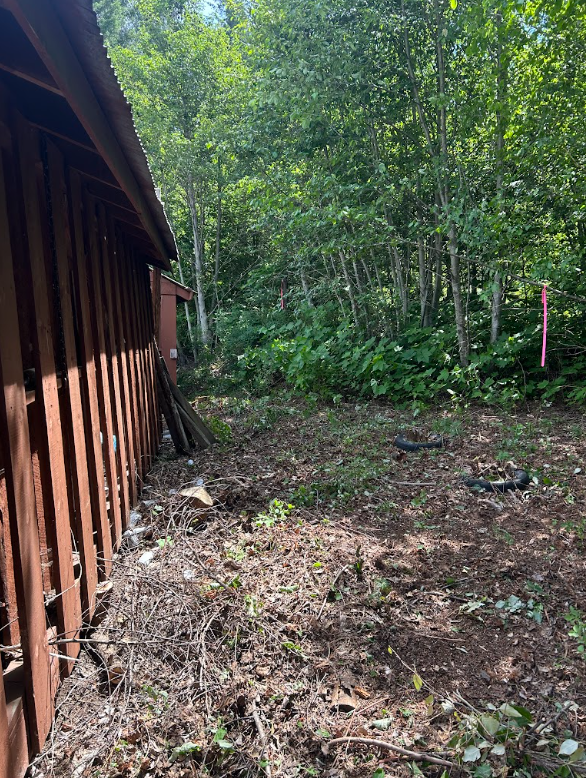
Defensible space is the area around a home where vegetation and other fuels are managed to help slow the spread of wildfire. Removing “ladder fuels,” or vegetation that can carry fire from the ground into tree canopies, is one way to create that space and reduce the risk of crown fire.
This spring, MARS and local Fire Adapted Community groups funded defensible space work within 100 feet of homes in Trout Lake and Glenwood. The program focused on residents who were unable to complete the work themselves and helped six local households make their homes more resilient to wildfire.
Protecting the First Five Feet
Managing vegetation is one part of creating a fire-resilient home. The area immediately surrounding a structure matters, too.
Research from the Insurance Institute for Business and Home Safety (IBHS) shows that removing flammable materials from the 0–5 foot zone around a structure is one of the most effective actions residents can take to reduce the risk of home ignition. One way to create this noncombustible zone is by replacing vegetation and mulch with rock.
This spring, microgrant funding from the Washington Department of Natural Resources supported rock acquisition for 10 local homes.
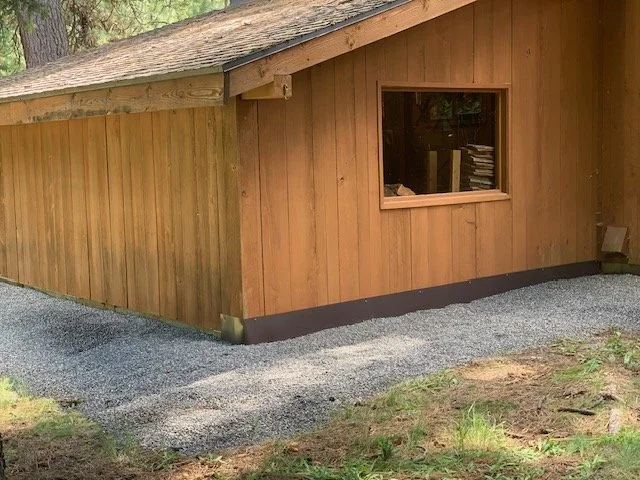
Freshly installed rock around an existing structure
875 Hours of Community Work
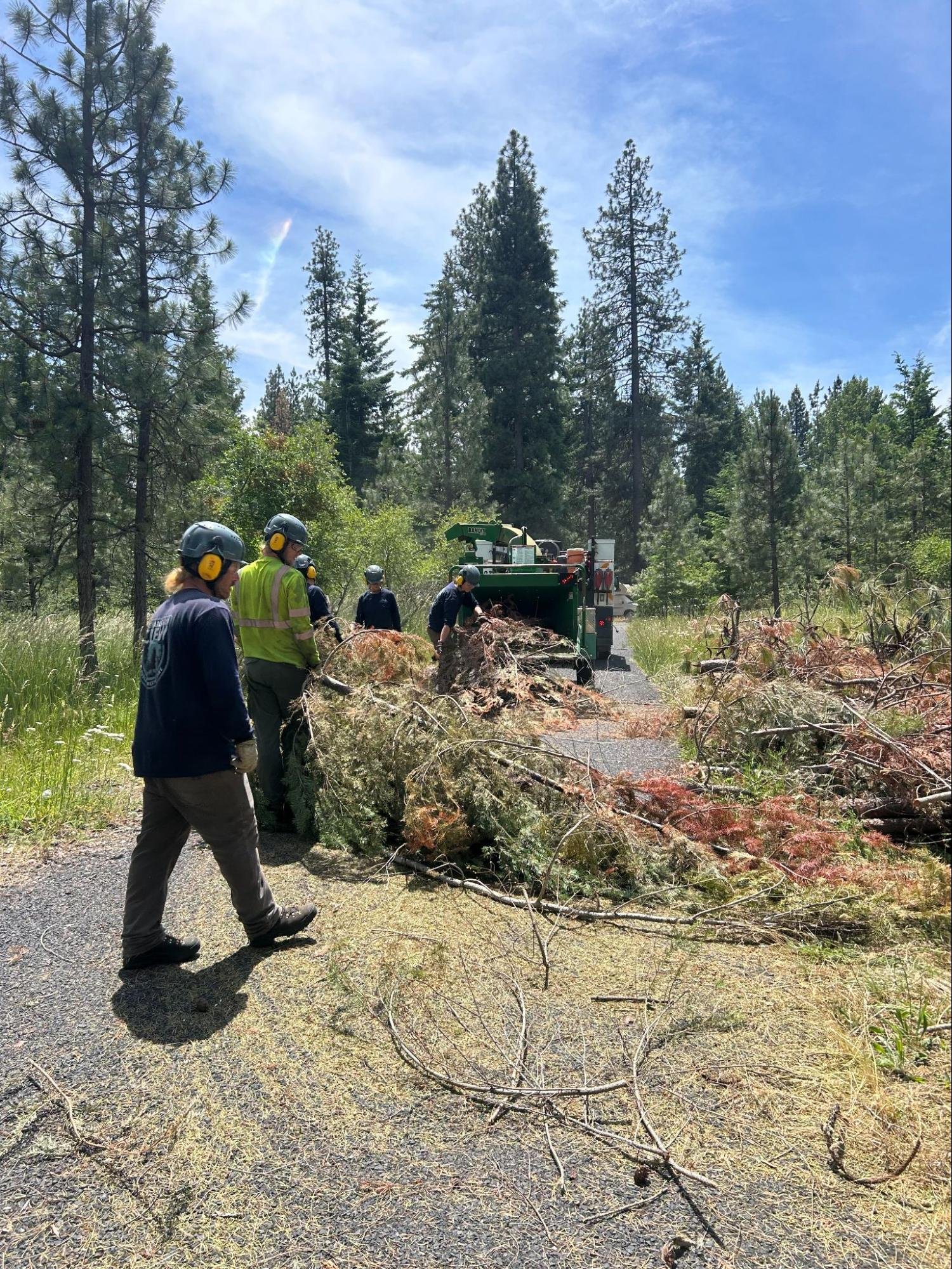
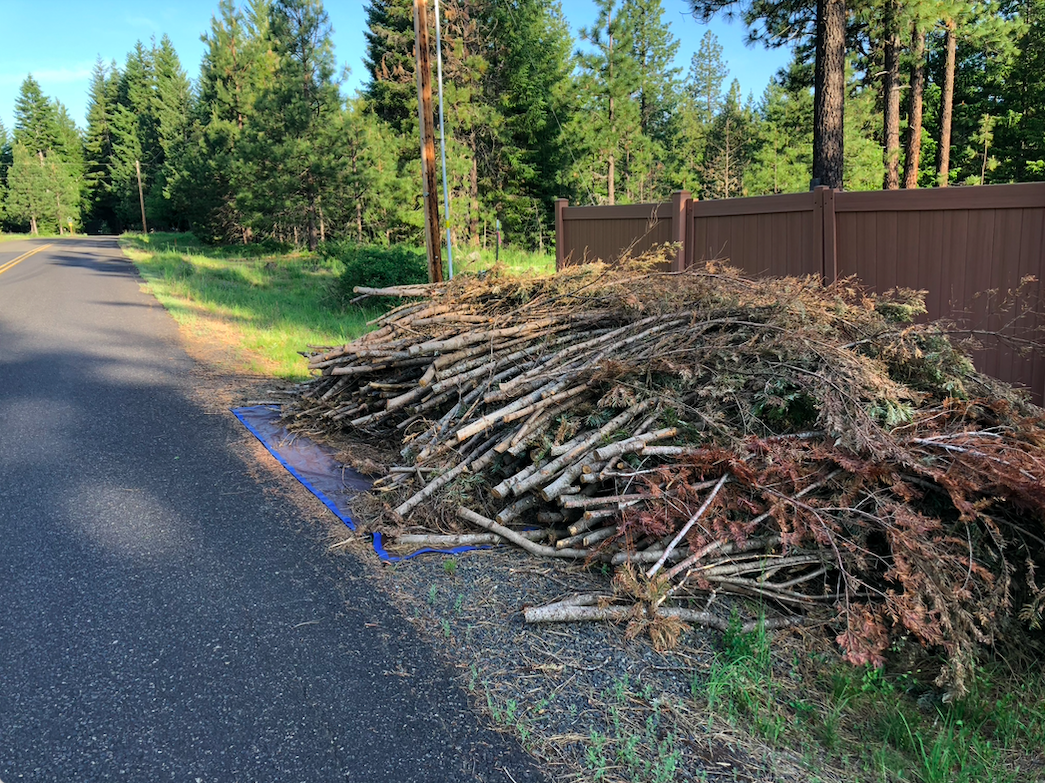
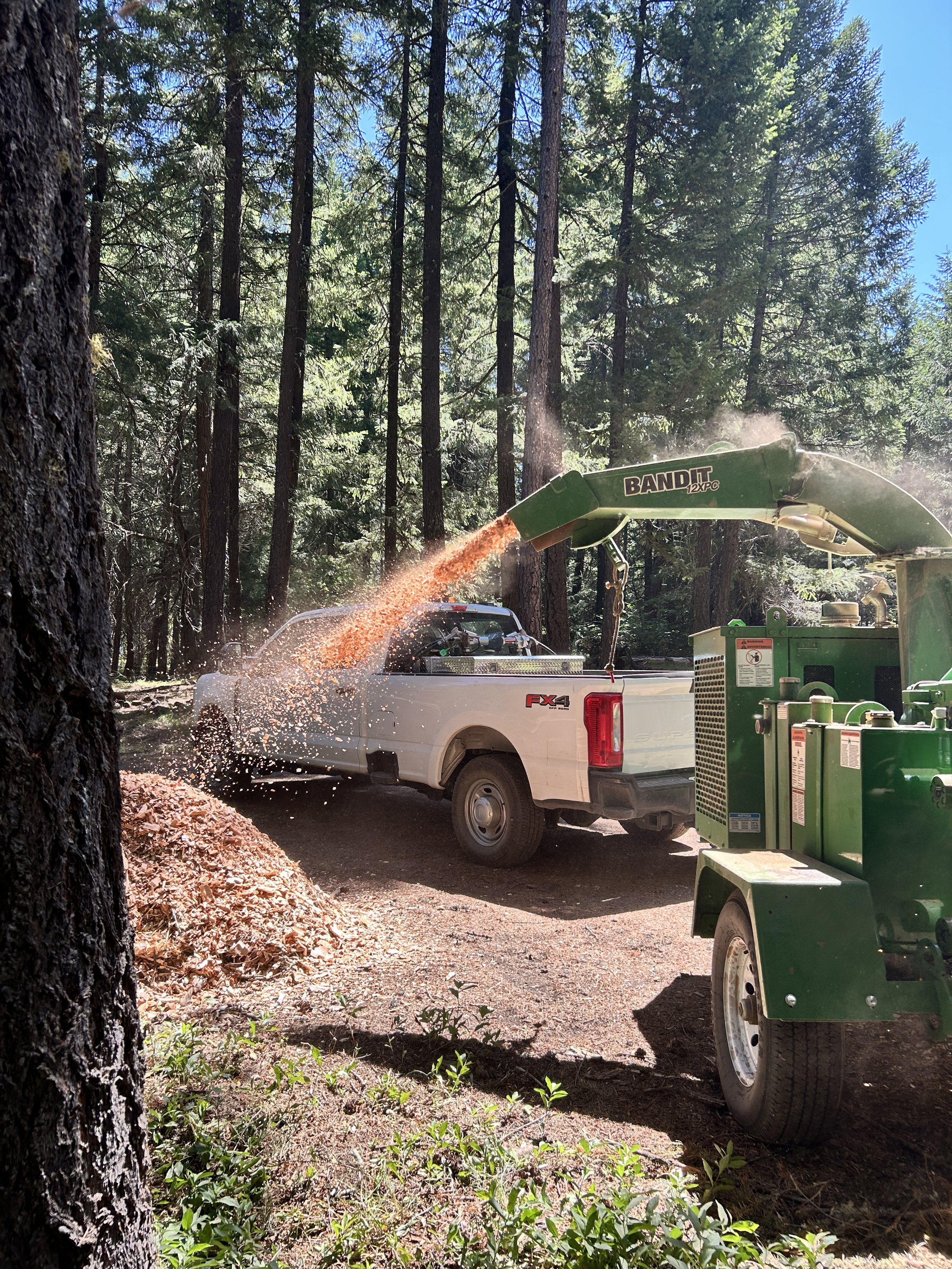
Many residents are also working hard to remove ladder fuels from their properties and create piles for the annual chipping program. Those piles do not form themselves: local residents reported spending a combined 875 hours cutting and stacking material this spring.
The annual chipping program served 60 local residents this year. Thank you to everyone who put in the work to help make our communities more resilient.
Resources Are Still Available
As smoky days become more frequent this summer, it is not too late to take steps to make your home more resilient to wildfire.
If you missed out on the spring programs this year, there are still resources available:
FREE wildfire risk home assessments: Sign up here.
FREE ember screening for vents and under decks: Contact fireadapted@mtadamsstewards.org to request materials.
Wildfire Ready Klickitat: Find resources to help prepare for wildfire and learn what to do during and after a fire.
For monthly updates on local programs and resources, contact fireadapted@mtadamsstewards.org to sign up for the Glenwood or Trout Lake Fire Adapted Community newsletter.
