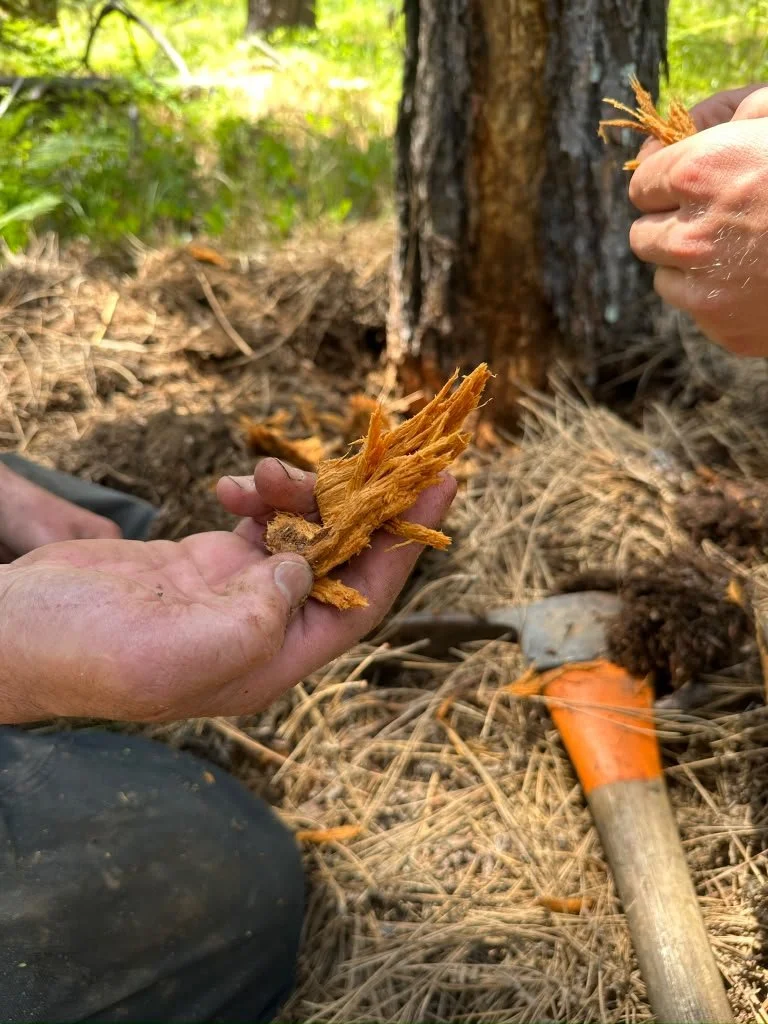
What Lies Beneath: Adventures in the Root Zone of Glenwood’s Forests
What’s happening beneath the forest floor? MARS is working alongside WA DNR forest pathologists to better understand Heterobasidion root disease and what it means for the health and management of Glenwood’s forests.
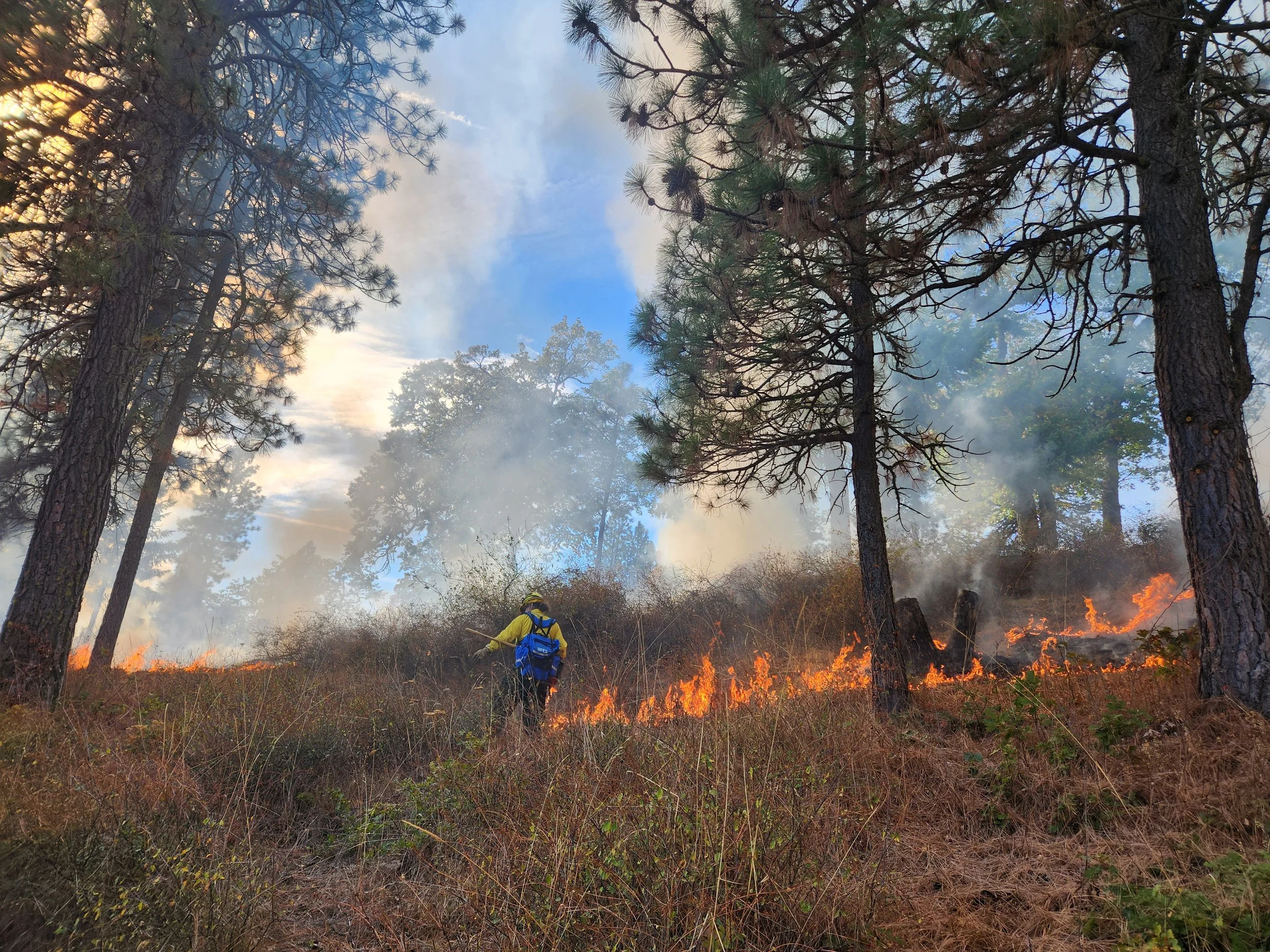
From black to green: Monitoring MARS’ prescribed burn units
MARS Prescribed Fire Coordinator Emery Cowan shares examples of pre- and post-fire monitoring at 3 units burned during the fall of 2025.
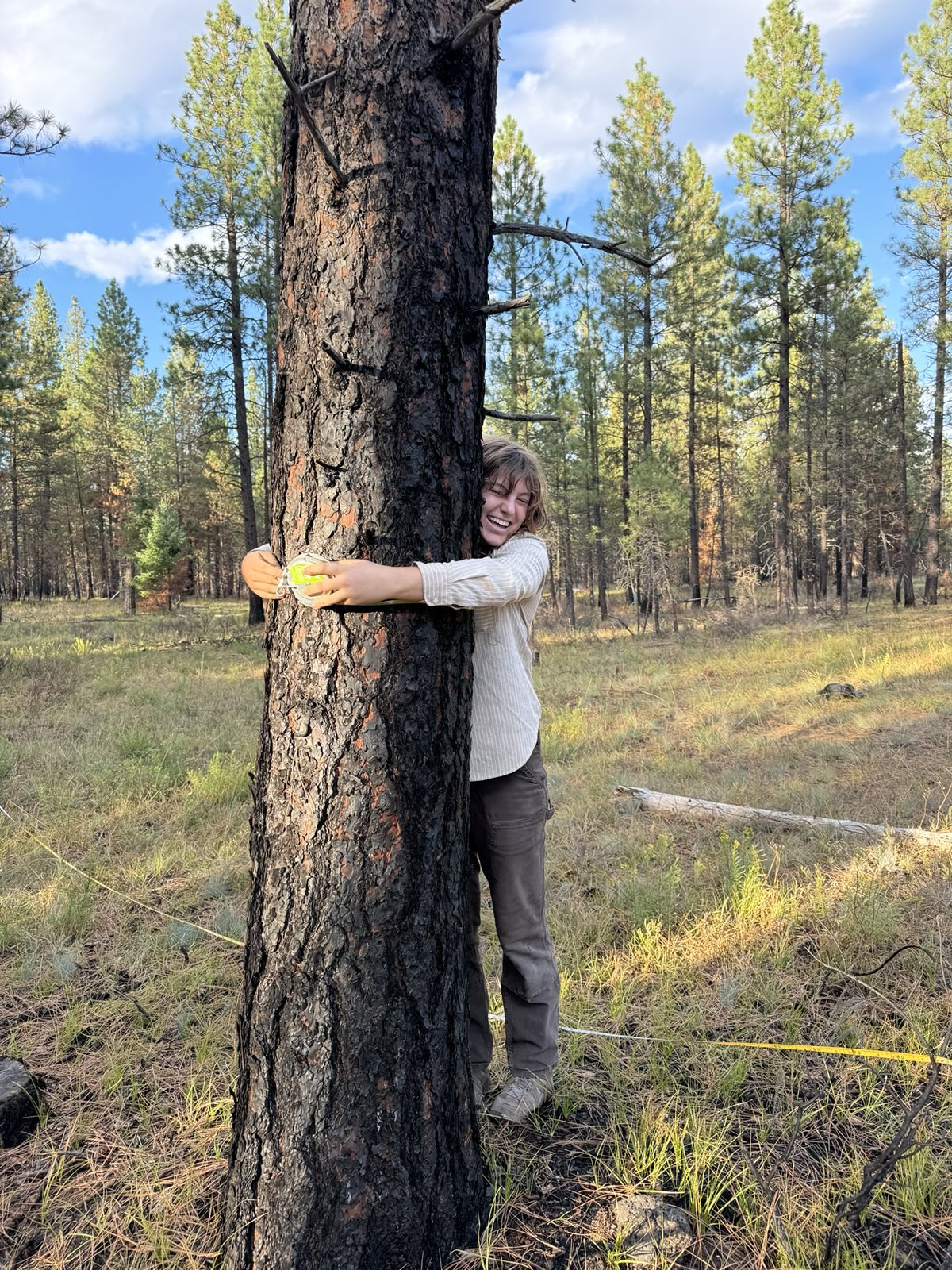
Community Forest Research Highlight: Understory Plants & Fire
University of Oregon undergraduate researcher Flora Booker discusses her recent experiences collecting data on understory plants in burned and unburned units of the Mt. Adams Community Forest.
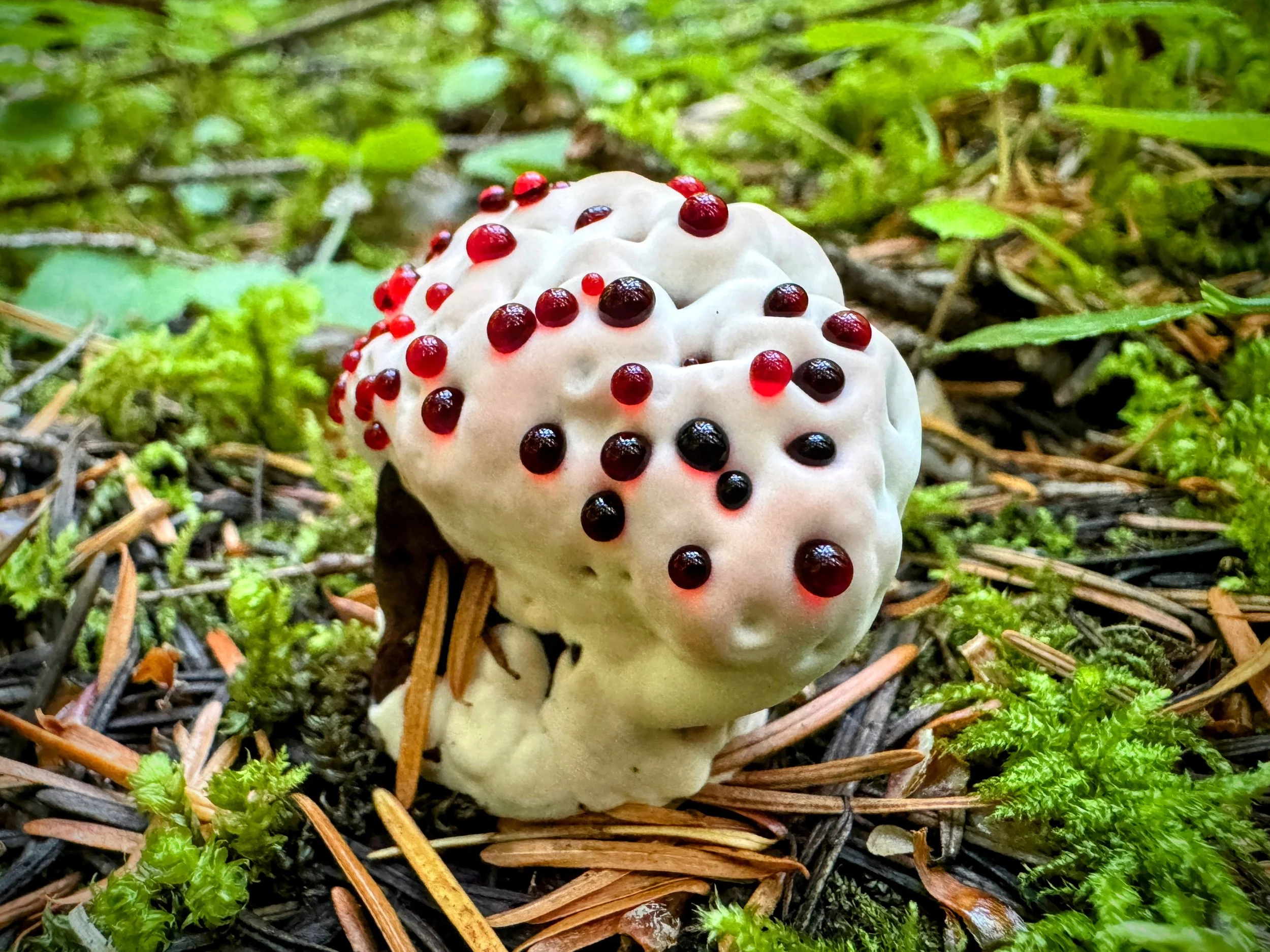
Monitoring Report: Hydnellum peckii, a mesmerizing mushroom
MARS Monitoring Coordinator Dave Ryan describes a fascinating find during his field work on the Gifford Pinchot National Forest.

Monitoring burn outcomes on the Mt. Adams Community Forest
Once the excitement of a prescribed burn on the Mt. Adams Community Forest is over, a new process begins. The forest, in its quiet and incremental way, recovers from and responds to the fire. And Dave Ryan, MARS’s Monitoring Coordinator, takes a moment to watch.
Read about two post-burn monitoring efforts on the Pine Flats tract of the Mt. Adams Community Forest.
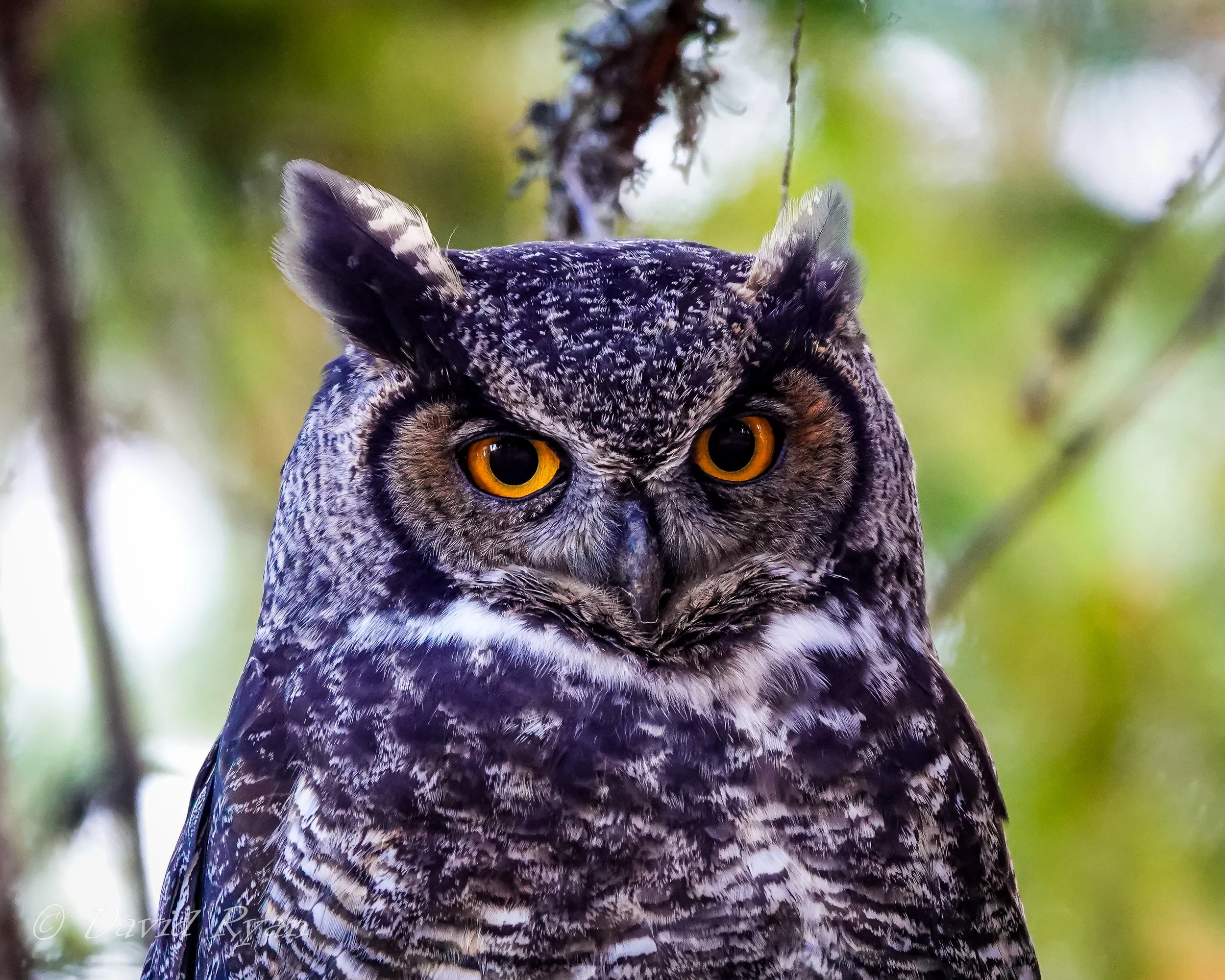
MARS Monitoring Report October 2024: Great Horned Owl
Knock knock. Who-hoo-oo-oo’s there? A Great Horned Owl (GHOW), Bubo virginianus.

MARS Monitoring Report: Bobcats (Lynx rufus)
While on a bit of a walkabout in Glenwood, we encountered this handsome being. Although I am not certain, my guess is that this is a female bobcat based on its size. Bobcats are moderately common, although not commonly seen, in this region. IUCN Red List categorizes them as a species of Least Concern, which is not to say that we should not respect and care for their well-being, but their populations are stable.